
Fernando J. Marqués, DVM, Diplomate ACVIM, Diplomate ACVSMR, is a board- certified Specialist in Internal Medicine, Sports Medicine, and Rehabilitation at Palm Beach Equine Clinic in Wellington, FL. Here are his top tips for keeping your horse happy and healthy during stall rest for recovery from injury or illness.
Ensure good ventilation
Adequate ventilation in horses’ stalls is essential for maintaining respiratory health, because it reduces dust and allergen concentrations in the air they inhale. Exposure to these airborne particles can trigger inflammatory processes within the lung parenchyma, which may become chronic over time and ultimately impair both equine welfare and performance.
Provide plentiful bedding with good drainage
Plenty of deep, low-dust bedding is essential for maintaining a horse’s comfort, hygiene, and overall health. Adequate bedding keeps the horse dry and comfortable by absorbing urine and excess moisture, while also reducing the risk of hoof disorders such as thrush, which can develop in persistently wet, unhygienic conditions.
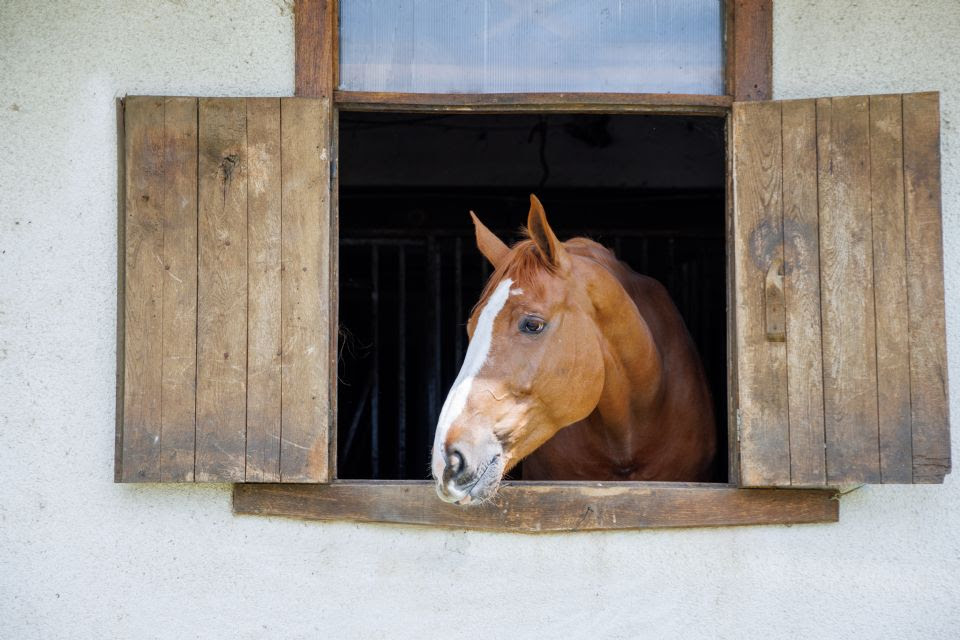
Keep stall windows and doors open when possible
Keeping stall doors and windows open when weather and safety permit can provide can benefit both the horse’s physical and psychological well-being. Increased airflow promotes natural ventilation throughout the stable, helping reduce the buildup of dust, ammonia, odors, moisture, and humidity while maintaining a cooler, more comfortable environment.
Allowing horses to see and hear other horses and to observe activity in the stable can also provide valuable psychological and sensory stimulation. Visual, auditory, and, when appropriate, tactile contact with other horses can reduce feelings of social isolation and confinement while supporting normal social behaviors. More access to environmental stimuli and opportunities for observation may alleviate boredom and frustration, potentially reducing undesirable stereotypic behaviors such as weaving, cribbing, pawing, and stall walking. Furthermore, maintaining visual access to the surrounding environment can increase horses’ environmental awareness and sense of choice and control, which may reduce stress and improve overall welfare.
Discuss trimming and shoeing with your primary veterinarian and farrier
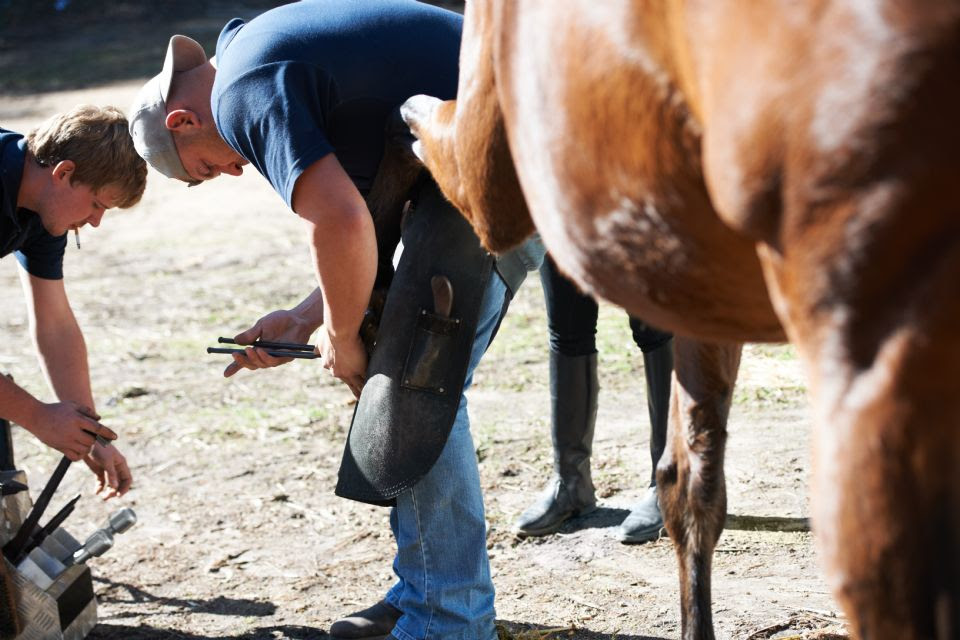
In horses with musculoskeletal injuries, such as joint, tendon, or ligament lesions, maintaining optimal hoof balance is paramount. Appropriate farriery interventions can help redistribute and minimize abnormal forces on specific anatomical structures, thereby reducing mechanical stress and tension on injured tendons or ligaments. When tailored to the individual horse and injury, these adjustments support the healing process and help the horse return safely to function.
Discuss changing nutritional needs with the attending veterinarian and nutritionist
Adjusting a horse’s diet during stall rest is important because its nutritional needs change when exercise is significantly reduced. Because a horse burns fewer calories when confined to a stall, continuing to provide the same amount of grain or other high energy feed can lead to excessive weight gain and obesity. Excess body weight can increase the risk of metabolic conditions and laminitis in susceptible horses, and place additional stress on bones, joints, tendons, and other healing tissues, potentially interfering with recovery.
At the same time, reducing calories does not mean reducing the nutrients needed for healing and maintaining overall health. Horses on stall rest still need adequate protein, lipids, vitamins, minerals, and other essential nutrients to support normal bodily function and repair damaged muscle, bone, tendons, and other tissues. Therefore, the goal is to reduce unnecessary calories while meeting the horse’s nutritional needs.
What is your typical day like at the show?
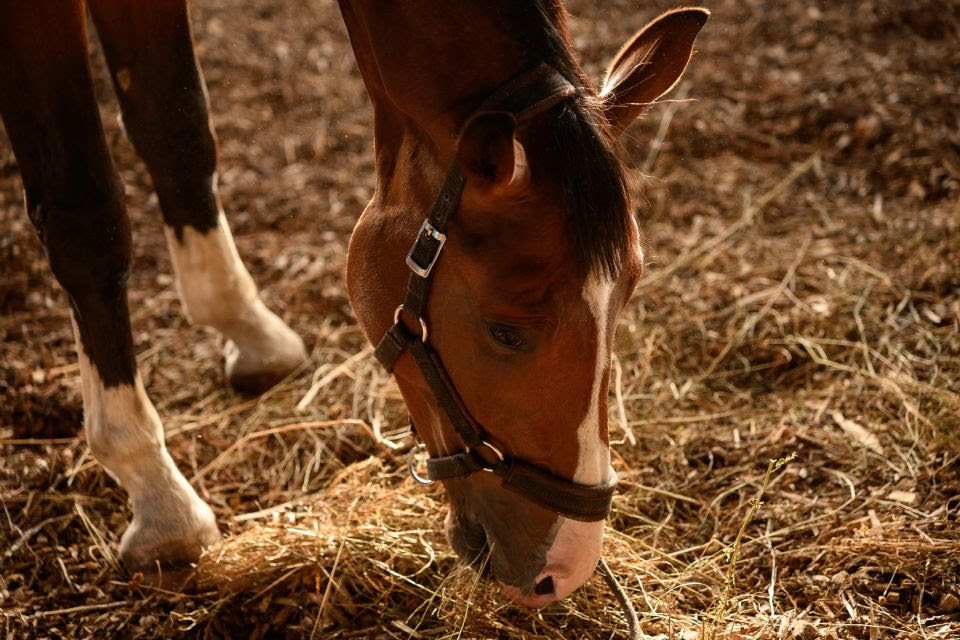
Dietary management during stall rest also supports digestive health. Confinement limits natural movement and alters the horse’s normal grazing behavior, increasing the risk of gastrointestinal problems. Providing adequate forage and fiber helps maintain normal gut function and supports a healthy digestive system. Offering forage through slow-feed systems can be particularly beneficial because it increases eating time and more closely mimics the horse’s natural grazing pattern.
Finally, ample forage can help address behavioral challenges during stall rest. Horses may become bored or stressed when movement and daily activities are restricted. Consistent access to forage encourages natural feeing behaviors, provides mental stimulation, and supports digestive health. Overall, a well-balanced diet during stall rest should provide enough nutrients for healing and maintenance, control calorie intake, and support normal digestive and feeding behaviors.
Carrot stretches and stationary mobility exercises: ensure limited and controlled movement
Complete immobilization may be necessary for certain injuries or specific phases of healing. However, during most stages of injury rehabilitation, limited, controlled movement is generally more beneficial than complete rest. The body needs an appropriate mechanical stimulus to promote healing, maintain function, and gradually restore strength.
Gentle, controlled movement promotes blood flow and lymphatic drainage, helping reduce swelling and stiffness. It also helps prevent significant muscle loss and encourages appropriate tissue adaptation. Tendons, ligaments, muscles, and bones respond to appropriately dosed mechanical loading by adapting and becoming stronger and more resilient.
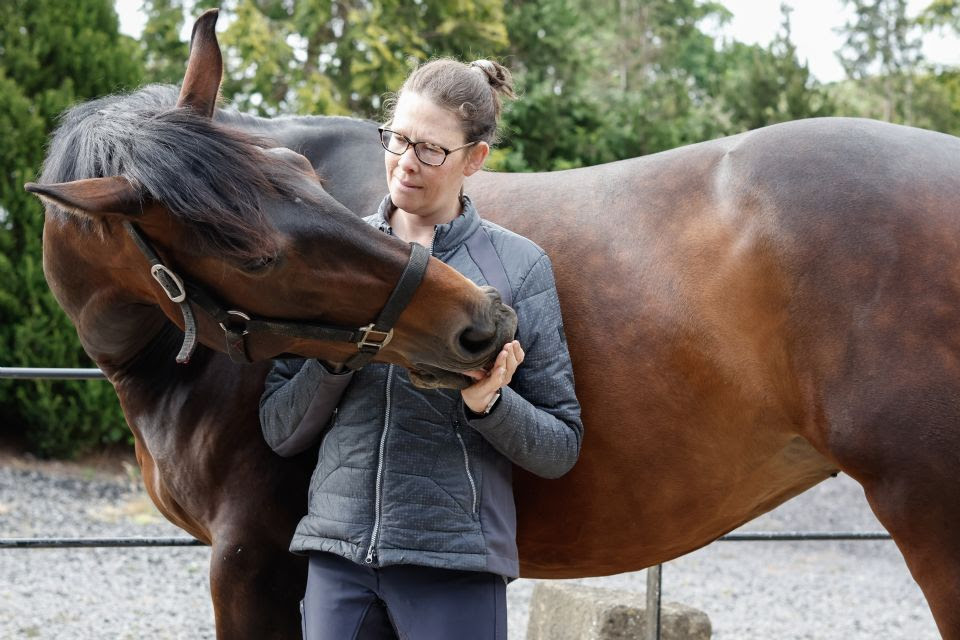
Controlled movement also helps preserve coordination and normal neurological function related to movement, balance, and motor control. In this way, it balances protecting an injured area with a gradual return to normal activity.
The goal of rehabilitation is not simply to protect injured tissue from stress but to provide the right amount of stress at the right time. Too much stress can interfere with healing, while too little movement and loading can lead to stiffness, weakness, muscle loss, and reduced function. Effective rehabilitation therefore balances protection with progressive, appropriately dosed movement and loading to support recovery and restore normal function.
Discuss the use of sedatives with your attending veterinarian
Sedatives can play an important role during stall rest, especially when a horse that is accustomed to regular exercise becomes anxious, frustrated, or overly energetic when confined. In these situations, sedation may help reduce anxiety and agitation and lower the risk of sudden, explosive movements that could worsen an injury, disrupt a surgical site, or damage healing tissue. It may also improve safety for those people handling or working around the horse.
However, sedation is not automatically necessary or appropriate for every horse on stall rest. The decision should consider the individual horse, the nature and severity of the injury, the horse’s temperament, the expected duration of confinement, and the overall rehabilitation plan.
Sedation during stall rest should therefore be prescribed and monitored by the attending veterinarian. It should be used as part of a broader rehabilitation strategy, not simply to keep a horse quiet.
Stay tuned for part two of our stall rest advice from Dr. Marqués, which offers way tokeep your horse mentally and emotionally happy.