
Tag: sport horse
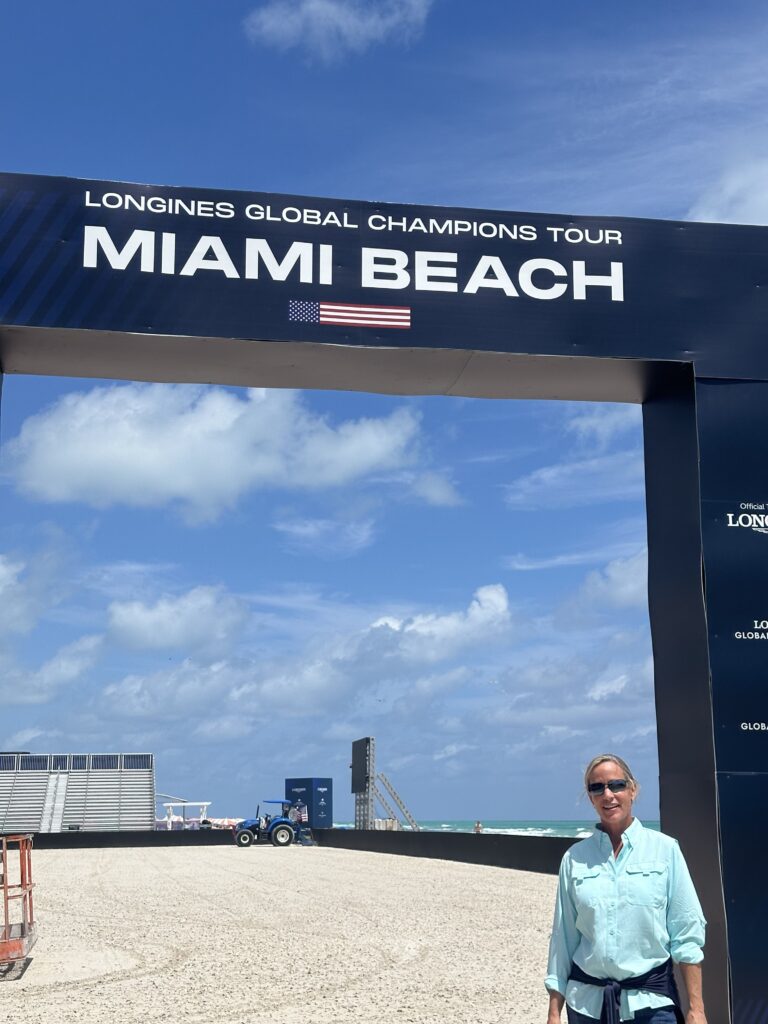
Dr. Kathleen Timmins at LGCT Miami Beach.
Photo courtesy of Palm Beach Equine Clinic.
As the foremost equine clinic in South Florida, Palm Beach Equine Clinic is often called upon for its veterinary services at the most prestigious equestrian competitions. Having just finished the renowned World Equestrian Festival and Adequan® Global Dressage Festival – where PBEC serves as the Official Veterinarian – a team of PBEC veterinarians is moving south to assist at the Longines Global Champions Tour (LGCT) Miami CSI5* on April 1-4, 2026.
Dr. Kathleen Timmins, Dr. Sarah Allendorf, and Dr. Christopher Elliott provide around- the-clock veterinary supervision for European and North American contenders from the moment they arrive for the Miami leg of the LGCT. Dr. Kathleen Timmins is a 1993 graduate of the Ohio State University School of Veterinary Medicine and completed an internship in equine medicine and surgery at the Illinois Equine Hospital near Chicago. She began practicing equine veterinary medicine in Aiken, South Carolina.
Dr. Timmins joined Palm Beach Equine Clinic in 1996. She was a member of the United States Polo Association (USPA) Equine Welfare Committee and the Drugs and Medication Sub-Committee, which authored the USPA Drugs and Medications Rules Book. Dr. Timmins is an Official FEI Veterinary Delegate for jumping, dressage, and para dressage, and she treats patients from all riding disciplines.
Dr. Timmins enjoys cooking and cheering on her daughter, Schuyler, as she follows in her footsteps competing in the jumper ring.
What are your responsibilities at LGCT Miami?
We oversee U.S. Department of Agriculture (USDA) regulations for horses from Europe with a Contagious Equine Metritis (CEM) waiver. These horses are kept in a quarantine bubble to prevent contact with North American horses and to maintain our disease-free status. We oversee the movement of horses as they arrive and during their activities at the facility throughout the event. We also ensure the facilities meet USDA standards and that everything is properly recorded. I will act as a treating vet as needed and help with the FEI horse arrival exams.
What is the arrival process for horses that compete at LGCT Miami, and how do you interact with them?
The horses from Europe flew in on Monday, March 30, and arrived at the beach on Tuesday and Wednesday. The European horses arrive at the showgrounds from the airport and quarantine facility in Miami. The U.S.-based horses arrived on Tuesday and Wednesday. The FEI Veterinary Delegate, the LGCT vets, and I act on behalf of the USDA to check in all of the horses.
How many times have you worked at LGCT Miami?
This is my first year! It is beautiful and looks pretty fun. I’ve been to Miami Beach for polo tournaments before, so it will be great to see jumpers here too.
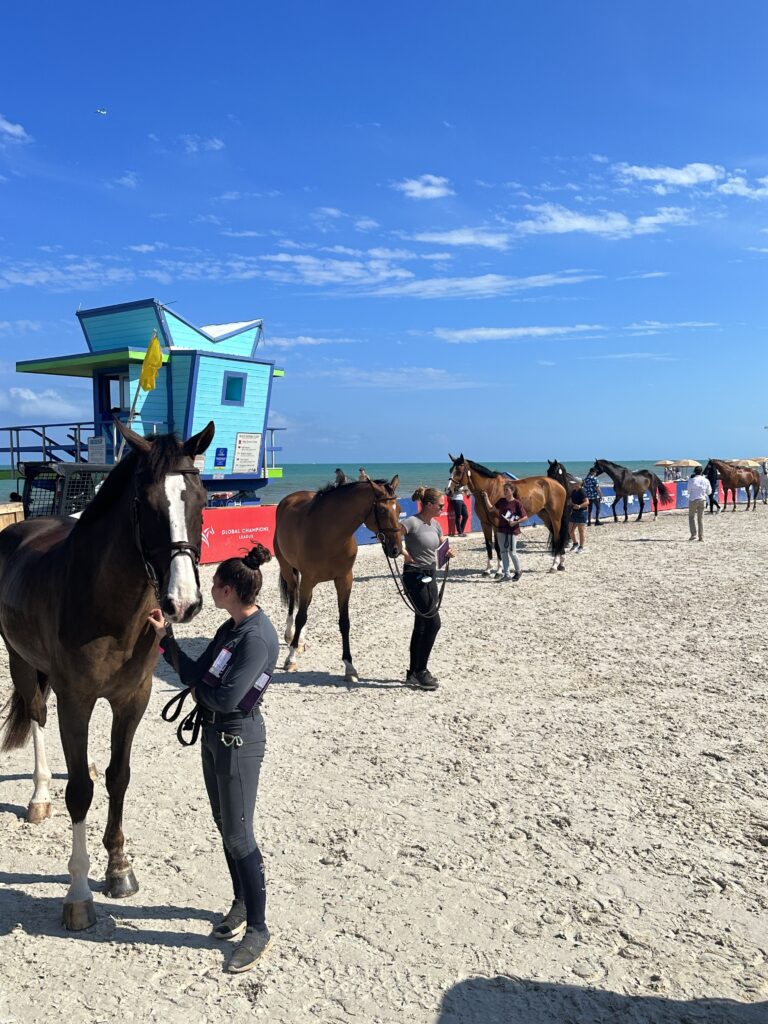
LGCT Miami Beach Jog.
Photo courtesy of Palm Beach Equine Clinic.
What is your typical day like at the show?
Although I haven’t worked at this particular show before, it will be similar to previous competitions. The days are long and start early. Between the stewards and I, we are assigned to observe the CEM horses at all times to ensure that the European horses and the American horses don’t commingle. As a treating vet, I can also handle minor needs, such as giving fluids to a horse. We also administer medications such as Legend or Adequan as requested. Dr. Sarah Allendorf will be here each day to attend to clients as well.
Do you stay in Miami for the week?
I will be staying there. That’s part of the requirement; you must be able to reach the venue quickly if necessary, in case a horse has an overnight emergency. Plus, who wants to be commuting to Miami at 5 a.m., or anytime, frankly!
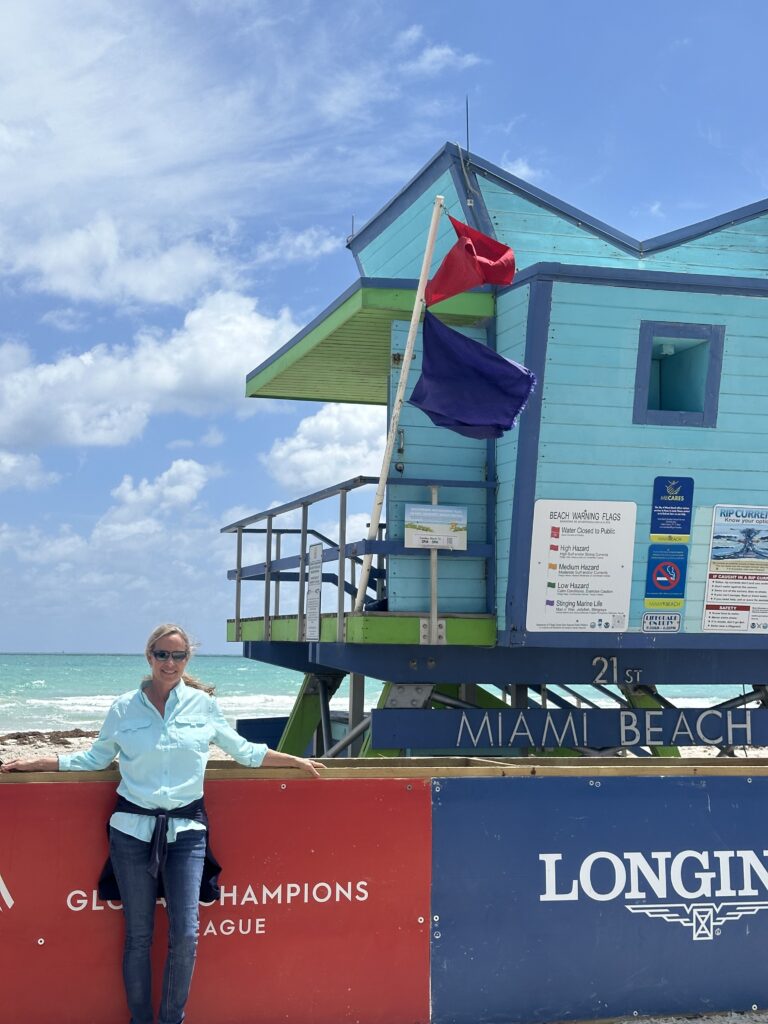
Dr. Kathleen Timmins at LGCT Miami Beach.
Photo courtesy of Palm Beach Equine Clinic
What is the most challenging part of the job at a show like this?
I think the most challenging thing at this show is the logistics. There are a lot of moving parts between the horses flying in and those trailering in. It’s very tight driving in Miami Beach, too. There is a lot of traffic, and the roads are small.
What are you looking forward to?
I’m really looking forward to seeing the competition and the beautiful venue.
To see more about PBEC’s experience at Longines Global Champions Tour Miami, visit our Instagram page at @pbequineclinic. Learn more about Palm Beach Equine Clinic and our team of veterinarians at www.EquineClinic.com.
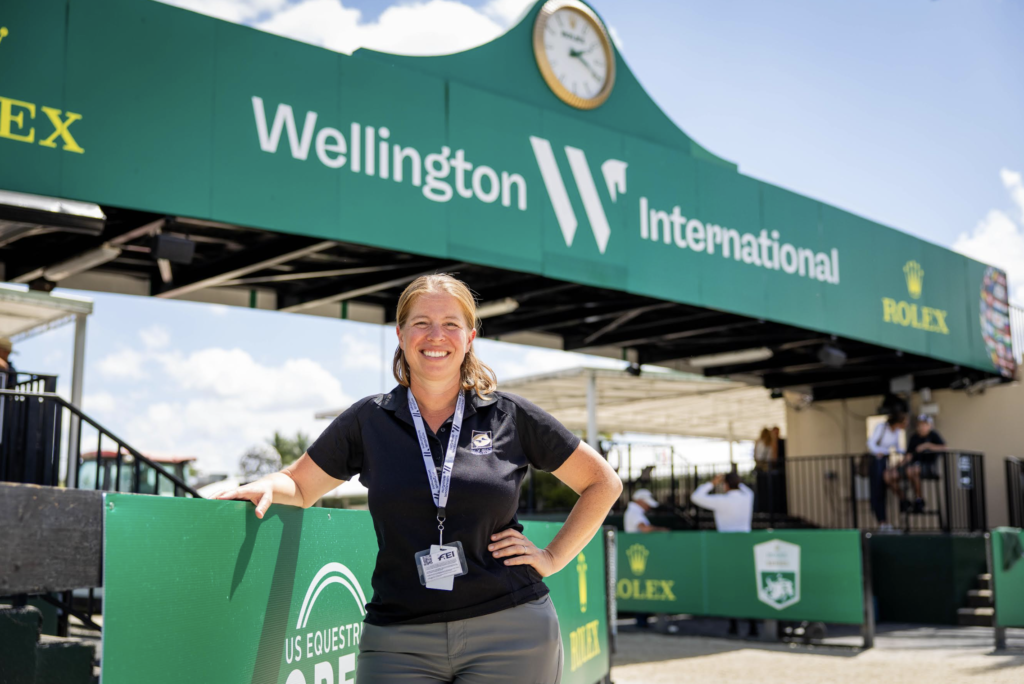
Dr. Janet Greenfield at WEF
© Devyn Ivy Media
Originally from northern California, Dr. Janet Greenfield-Davis grew up competing on the hunter circuit, which sparked her interest in equine veterinary medicine. She completed her undergraduate degree at California Polytechnic State University and then attended veterinary school at the University of Glasgow.
After completing an internship at Palm Beach Equine Clinic in 2010, she studied traditional Chinese veterinary medicine at the Chi Institute. In addition to providing Western medicine, Dr. Greenfield-Davis uses Eastern medicine as a certified veterinary acupuncturist and Chinese herbal medicine expert. Dr. Greenfield-Davis is certified in equine rehabilitation and performance medicine.
When not seeing patients, Dr. Greenfield-Davis enjoys enthusiastically cheering on her clients at competitions, swing dancing, and spending quality time with her husband and two daughters.
What are your official duties at WEF for Rolex Series week?
My official duties this week are monitoring the CEM waiver tent for WEF week 12. I make sure the participants abide by the U.S. Department of Agriculture (USDA) guidelines set to keep our country CEM free.
Contagious Equine Metritis (CEM) is a sexually transmitted bacterial infection that can cause infertility in mares and is carried by stallions. While endemic in Europe, the disease is not currently in the U.S., so testing and quarantine for horses entering the country from areas with confirmed cases are essential to maintain that disease-free status.
Are any other PBEC vets working with you that week?
The PBEC veterinarians who are on show duty will help me, along with the FEI Veterinary Delegate, the FEI stewards, and our local USDA veterinarian. I have lots of help! I am a very small piece of a very big event, and I enjoy the part I get to play in making it happen.
Can you describe your typical day at the show?
I like to pop in to the show in the morning to ensure everything is running smoothly with the FEI steward and security. I note which of the monitored horses are showing and whether there is enough staff to walk the horses to the arena. It is quite a distance from the FEI stabling to the International Arena, and the horses must be accompanied to and from the ring. I always wear my sneakers during week 12. I will also check in the evening to make sure everyone is happy. Meeting with the USDA and addressing any concerns is also part of my job.
How many years have you been working at WEF for PBEC?
I have been at PBEC for 15 years and have been participating at the show in one veterinary capacity or another the entire time.
What makes Rolex Series week at WEF special?
The fanfare, horses, and the competitors make it very special. You can feel the crowd’s excitement to see all the big names, and the competition is always electric.
What are you looking forward to?
Saturday night, of course!
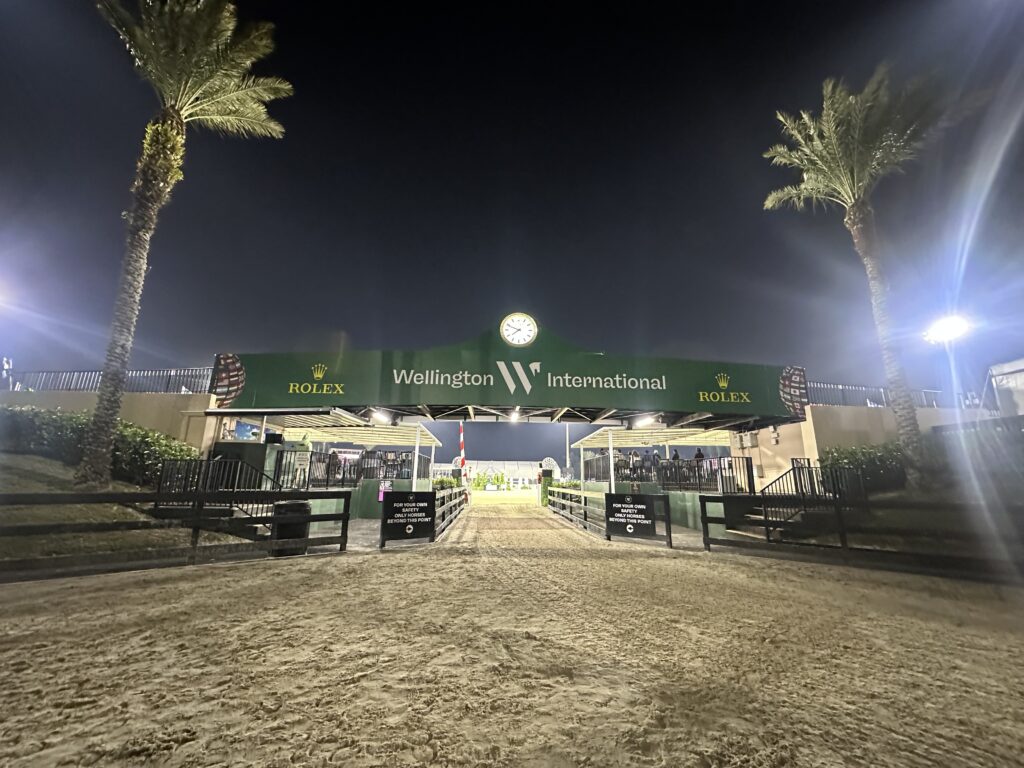
WEF Bridge at Night
Photo courtesy of Palm Beach Equine Clinic
This spring, Palm Beach Equine Clinic in Wellington, FL, isn’t just attending the biggest stages in North American sport; it’s caring for the best equine athletes in the game.
From Winter Equestrian Festival Rolex CSI5* Week (March 23–29) to the electric beachfront setting of the Longines Global Champions Tour Miami (April 1–4), and culminating at the prestigious FEI World Cup™ Finals (April 8–13), PBEC veterinarians are at the center of the action, ensuring the world’s top equine athletes perform at their best.
The momentum begins in Ocala during the Longines League of Nations Ocala, where the sport’s elite converge. As international horses transition from USDA CEM quarantine in Ocala to Wellington, PBEC plays a critical role in their care. Under the leadership of Dr. Janet Greenfield, the team oversees the veterinary needs of these elite athletes within Wellington’s tightly managed competition “bubble,” as they prepare for the Winter Equestrian Festival’s Rolex CSI5* week, which hosts the US Equestrian Open Jumping Final.
While fans focus on the spotlight in the arena, PBEC works tirelessly behind the scenes. As horses arrive for the Miami leg of the Longines Global Champions Tour, Dr. Kathleen Timmins and Dr. Sarah Allendorf provide around-the-clock veterinary supervision for European and North American contenders from the moment they arrive.
The circuit doesn’t stop there. Dr. Christopher Elliott heads to Fort Worth, TX, to serve as the veterinary service manager at the FEI World Cup™ Finals, one of the sport’s most prestigious international championships. PBEC’s expertise extends into the dressage arena, where Dr. Weston Davis and Dr. Sidney Chanutin support top horses, including those representing Zen Elite Equestrian Center, title sponsor of the FEI Dressage World Cup™ Final.
Across disciplines and every level of elite competition, PBEC is a constant — trusted by the best, present at the biggest moments, and integral to the success of world-class equestrian sport.
This spring, when the stakes are highest, Palm Beach Equine Clinic is exactly where you’d expect to find them: at the epicenter of excellence.
LGCT Miami Beach Jog.
Photo courtesy of Palm Beach Equine Clinic.
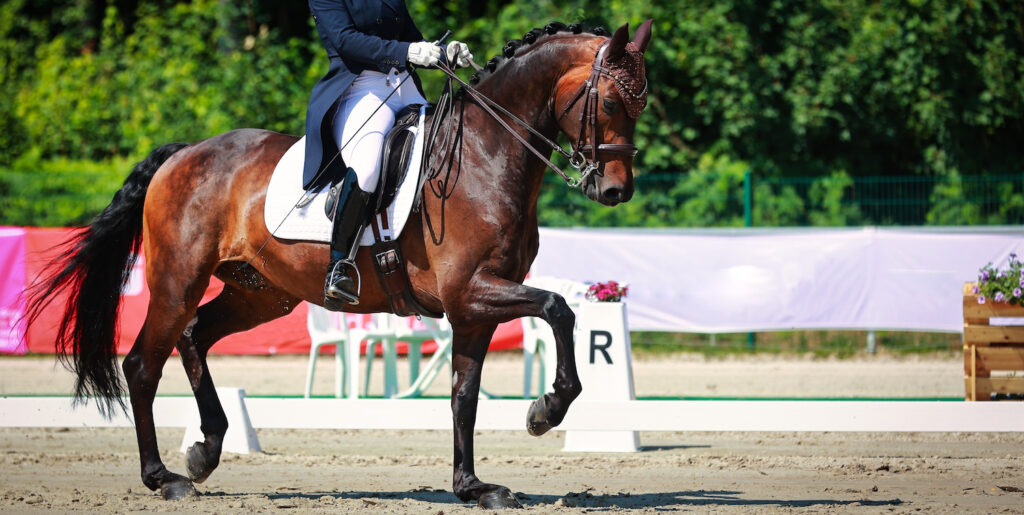
The winter show season in Wellington, FL, showcases incredible horse-and-rider partnerships across various disciplines. On one night, dressage horses will dance under the palm trees at the Adequan Global Dressage Festival – where PBEC is the official veterinarian – and the next, a field of show jumping horses will sail over massive fences.
Behind the scenes, these equine athletes have multidisciplinary teams of professionals working to keep them in top physical condition for competition. Dr. Christopher Elliott and Dr. Emma Newell of Palm Beach Equine Clinic in Wellington, FL, are key members of many of these teams, treating ailments in both dressage and jumping horses.
There are common injuries in sport horses, but typical ailments will vary between jumping and dressage horses due to the different demands of each discipline. “Dressage horses perform repetitive, collected movements that place sustained stress on the limbs and the back,” explained Dr. Elliott.
Ligament and Tendon Strains
The precise movements of dressage put stress on the soft tissues in a horse’s legs, but unlike in jumping sports, soft tissue injuries are commonly observed. Dr. Elliott pointed out, “The most common hind limb ligament injury is the proximal suspensory, and the most common tendon injury of the forelimb is the deep digital flexor tendon. These structures are loaded more for dressage horses than for jumpers, especially during collection, work transitions, and lateral movements.”
These injuries tend to present subtly and are associated with a decline in overall performance, though the rider may also notice inconsistent lameness. A loss of impulsion, difficulty maintaining collection, resistance to performing lateral movements, and other behavioral changes under saddle warrant a visit from the horse’s veterinarian.
The return to full work under saddle can be a lengthy process, beginning with straight-line exercises. The veterinarian may also suggest adjusting other aspects of the horse’s management, including reducing the intensity of the horse’s training in the future, having the horse’s saddle evaluated, improving the rider’s balance, or even reconsidering the type of footing the horse is ridden on.
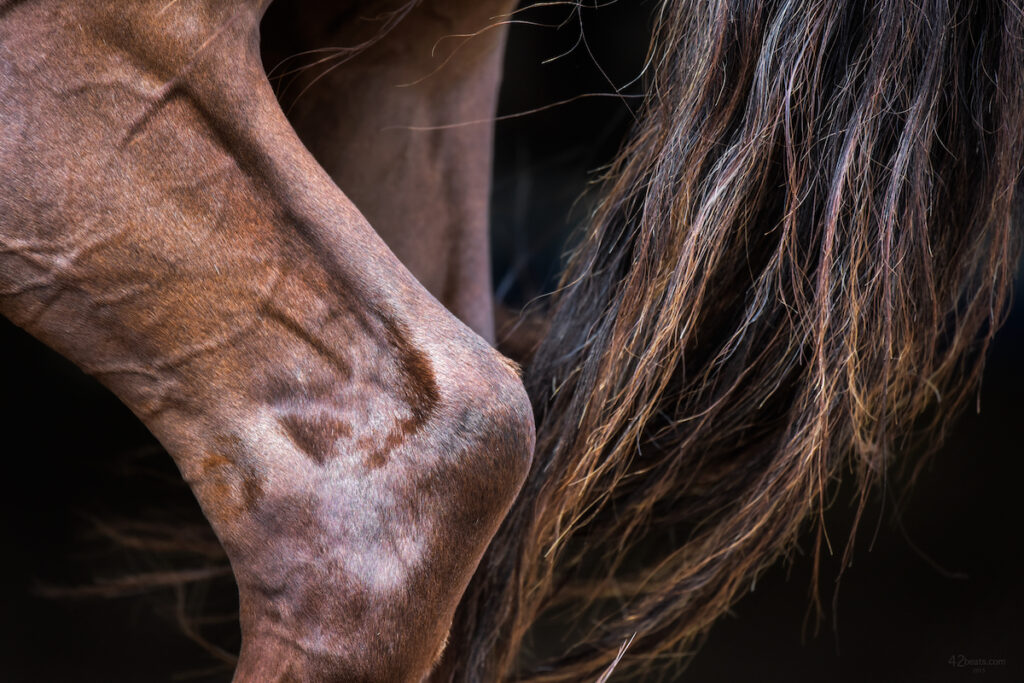
The hocks are often under significant strain during collected movements.
Hock Arthritis
The hocks in a dressage horse carry a substantial load during collected work and are a common site of arthritis. The issue can be identified by stiff movement, resistance to transition or collection work, or a general decline in performance. A veterinarian will confirm this diagnosis with a thorough lameness exam, flexion tests, nerve blocks, and radiographs.
Like joint pain in jumping horses, hock arthritis in dressage horses can be treated with joint injections and anti-inflammatory medication. Reducing the difficulty or quantity of movements performed may be necessary, but regular work is usually still recommended. “Consistent, low-impact exercise is encouraged, rather than prolonged rest, with ongoing management to maintain comfort,” noted Dr. Elliott.
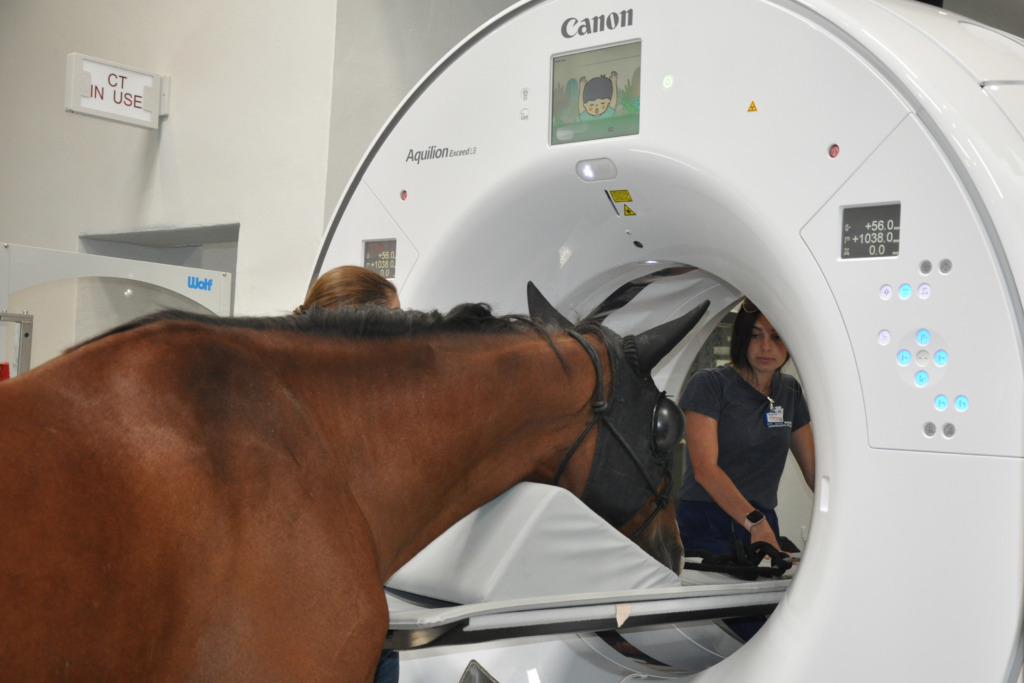
Diagnostic imaging may be necessary to accurately diagnose soundness issues.
Sacroiliac (SI) Pain
The sacroiliac (SI) area in the horse’s back becomes active during collected work when a horse engages its hind end, tilts its pelvis, and brings its hind legs underneath its body. A horse experiencing discomfort in this area may struggle with flying lead changes and exhibit uneven hind-end engagement, reduced impulsion, or behavioral changes under saddle.
“Diagnosing these issues can be challenging and often involves ruling out other sources of hind-end lameness,” admitted Dr. Elliott, adding that diagnostic block and advanced imaging may be necessary to evaluate the horse.
Targeted SI joint injections can improve comfort, while physical therapy exercises aimed at strengthening the horse’s hind end and core muscles are often part of the long-term management plan for the horse.
The Secret to Success
Riders and caretakers play a significant role in maintaining their horses’ health and well-being. Early recognition of subtle lameness signs is essential, and Dr. Newell emphasized, “Knowing your horse and knowing their nuances, I think, is what’s really going to keep our equine athletes in work longer.”
With a full suite of diagnostic equipment and an expert team of veterinarians, PBEC is fully equipped to provide equine patients with a high standard of care. “A highlight of being a veterinarian at PBEC is the ability to conduct a CT, a bone scan, or a standing MRI. We can provide clients in-depth imaging with a quick turnaround on results with the amount of technology we have here at PBEC,” shared Dr. Newell. She also noted that radiographs and ultrasounds can be conducted in the field, eliminating the need to visit the clinic.
Whether your goal is to trot down the centerline at Adequan Global Dressage Festival or make the jump-off at the Winter Equestrian Festival, Palm Beach Equine Clinic is dedicated to helping your horse perform their best. Visit www.EquineClinic.com for more information or call 561-793-1599 to make an appointment.
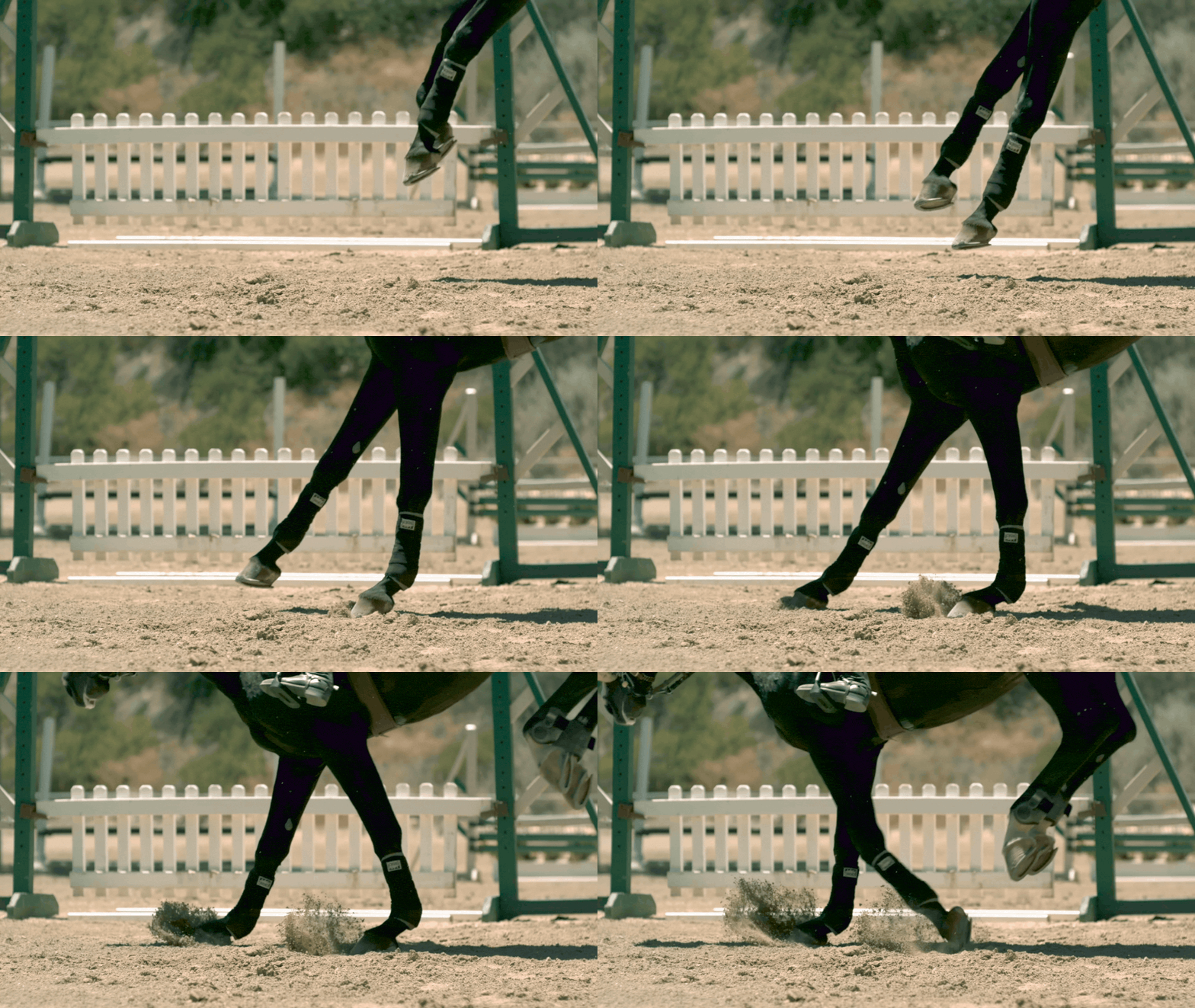
From inside the dressage boards to the jumping arena, the risk of injury for equine athletes always exists. Dr. Christopher Elliott and Dr. Emma Newell of Palm Beach Equine Clinic in Wellington, FL, explained that some riding activities are more closely associated with specific injuries. “The physical demands of each discipline place stress on very different parts of the horse’s body,” noted Dr. Elliott.
In the sport of jumping, the concussive forces of takeoff and landing put strain on the horse’s legs. Joints and soft tissues, such as tendons and ligaments, are designed to absorb this shock, but excessive and repetitive force on these structures can cause problems. Suspensory ligaments, flexor tendons, and joints are three areas Dr. Elliott commonly treats for injuries in jumping horses.
Suspensory Ligaments
The suspensory ligament can become injured through repetitive strain. A lameness exam, nerve blocks, and an ultrasound are used to determine the location and severity of the injury. Clinical signs of a suspensory injury can vary from subtle or intermittent lameness, reluctance to jump, or, potentially, a gradual decline in performance. Overt and persistent lameness can be seen in more significant injuries.
Rest and a controlled exercise rehabilitation program are the cornerstones of treatment. Additional therapies include shockwave and platelet-rich plasma (PRP), which may further support healing.
Dr. Newell reminds horse owners that rehabilitation is tailored to each horse and begins with ground exercises before gradually progressing to ridden work over the course of several months. Regular veterinary check-ups are essential for monitoring progress and making adjustments to the treatment as needed.
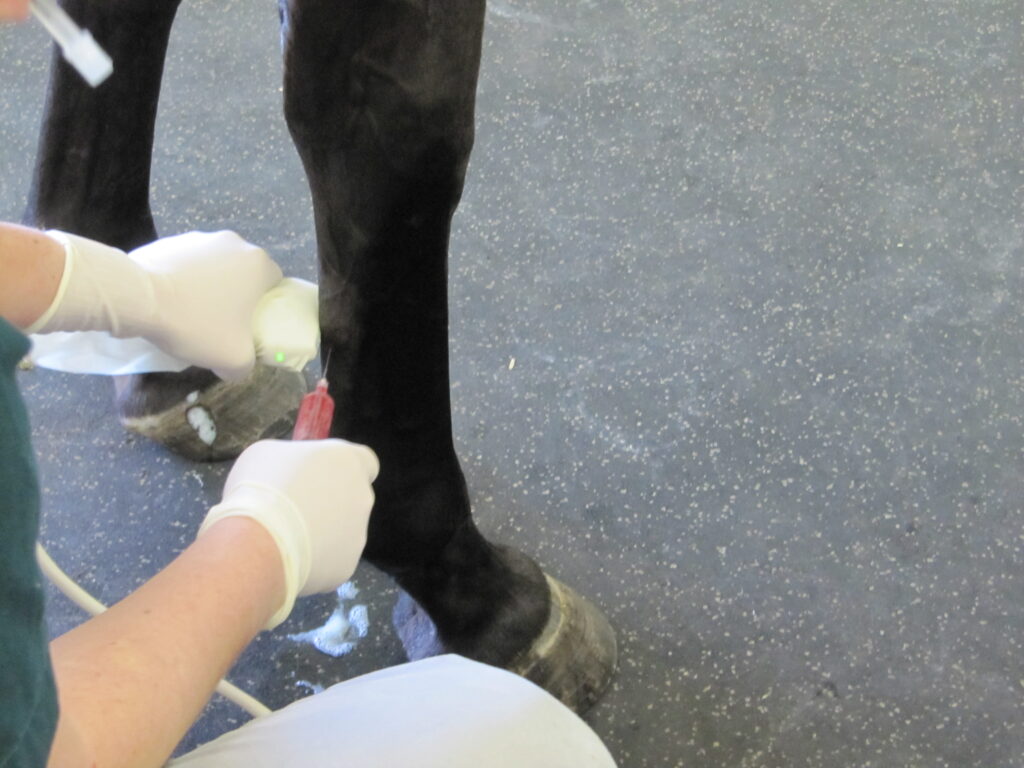
PRP Injections
Flexor Tendons: The DDFT
Flexor tendons, specifically the Deep Digital Flexor Tendon (DDFT), are another common site of injury in jumping horses.
Injury to the DDFT in the jumping horse typically occurs within the hoof capsule. Horses will present with varying degrees of lameness that are eliminated by distal limb nerve blocks. An MRI is required for definitive diagnosis of injury to the DDFT within the hoof.
A horse with this injury will likely be prescribed rest, controlled exercise rehabilitation, and corrective shoeing, with return to previous levels of performance typically being seen between nine and 12 months.
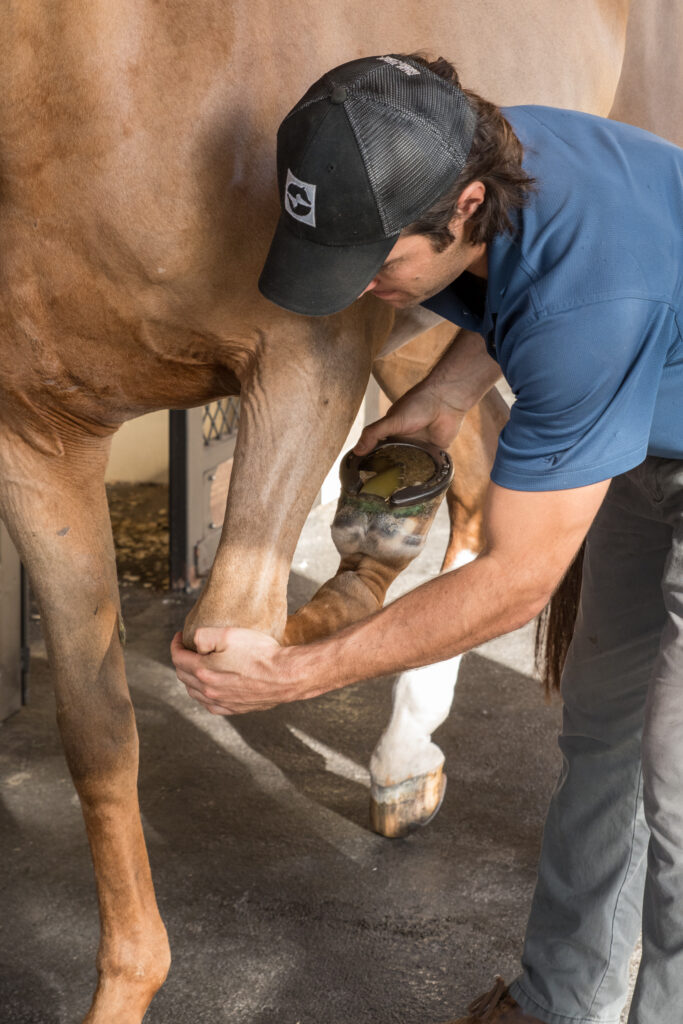
Dr. Santiago Demierre performing a flexion test
Photo courtesy of Jump Media
Joint Pain: Inflammation and Arthritis
Osteoarthritis is one of the most common ailments in competition horses, especially jumping horses. Nearly all of a jumping horses’ distal limb joints undergo repeated strain throughout the course of their careers, with the stifles, hocks, and forelimb coffin joints being common sites of inflammation.
If joint inflammation is suspected, the horse’s veterinarian will conduct a physical evaluation, including limb palpation, watching the horse trot in hand, and often also under saddle. Flexion tests are frequently performed along with nerve blocks and radiographs, if necessary, to pinpoint the area of concern.
Managing osteoarthritis is complex and should be tailored to each horse. Veterinary treatment of joint inflammation typically includes targeted joint injections, either with corticosteroids or biological agents. Other systemic treatments involve nutraceutical supplements (oral and injectable), judicious use of systemic anti-inflammatories, and other targeted complementary therapies.
By paying close attention, owners and riders can detect ailments early, giving their horse the best chance at sustained performance. Dr. Newell advised, “Knowing your horse is the best way to prevent these types of injuries. Working closely with your veterinarian to continually evaluate a horse is the key to success.”
To keep your horse on the right track, contact Palm Beach Equine Clinic at 561-793-1599.
Fernando J. Marqués, DVM, Diplomate ACVIM, Diplomate ACVSMR

The exceptional athletic abilities of horses can be attributed to several factors, including physiological adaptations, some of which are influenced by training. Muscles, and all cells in the body, require energy to function. Energy from food (carbohydrates, fats, and proteins) is not directly transferred to muscles for biological work. Instead, it is converted into an energy-rich substance known as ATP. The oxidation of carbohydrates, fats, and proteins is the process that produces ATP. There are three main energy systems that supply ATP to the cells: the immediate energy system, the short-term energy system, and the long-term energy system.
The immediate energy system relies on high-energy phosphate sources and plays a crucial role during intense physical activities of short duration that require immediate fuel. These high-energy phosphates are quickly depleted, typically within 20 to 30 seconds of maximum exertion, similar to what happens in humans.
The short-term energy system generates ATP mainly from stored muscle carbohydrates called glycogen. This process does not require oxygen, which is why it is referred to as anaerobic metabolism, leading to lactate accumulation within the muscle cells.
The long-term energy system, or aerobic system, produces ATP during prolonged, intense physical activity. This process requires oxygen, hence the name aerobic metabolism. In this system, fats are a significant fuel source.
The contribution of each energy system and fuel source (carbohydrates, fats, and to a lesser extent proteins) varies depending on factors such as exercise intensity and duration, training status, muscle fiber composition, and oxygen supply to the muscles. Understanding these factors is crucial, as exercise is generally categorized into aerobic/endurance (low intensity over a long duration) and power/strength (high intensity over a short duration). In practice, pure endurance or pure strength activities are rare, and most sports combine elements of both.
Additionally, muscles adapt to specific exercises and sports, which triggers the development of particular muscle fibers that utilize different fuel sources and energy systems to produce ATP.
In equestrian sports, no discipline is exclusively anaerobic or aerobic. Most sports require a combination of both energy systems. For example, racehorses and western performance horses engage in high-intensity, fast-paced activities for short periods, primarily relying on anaerobic metabolism. Conversely, show jumping and polo horses mainly engage in aerobic exercise but switch to anaerobic metabolism to meet the intense energy demands of their sport. Eventing and endurance racing horses, on the other hand, rely predominantly on aerobic metabolism to sustain their energy levels over prolonged periods of activity.
Designing an effective training program for a horse requires considering the optimal adaptation of muscle fiber composition to enhance metabolic function and improve performance in the specific sport.
References:
- Hinchcliff K., Geor R., Kaneps A. Equine Exercise Physiology- The Science of Exercise in the Athletic Horse. Saunders
- McArdle W., Katch F., Katch V. Exercise Physiology. Wolters Kluwer, 8th Edition.
- https://equineclinic.com/medical/understanding-energy-support-for-the-performance-horse/