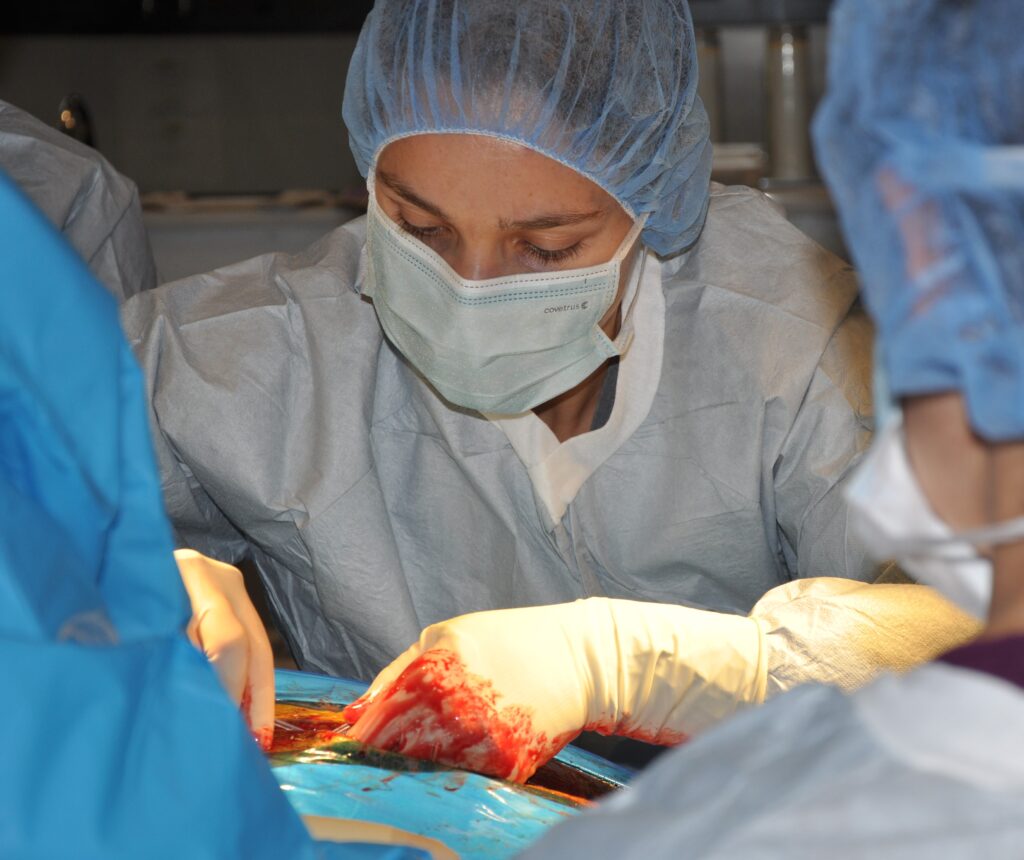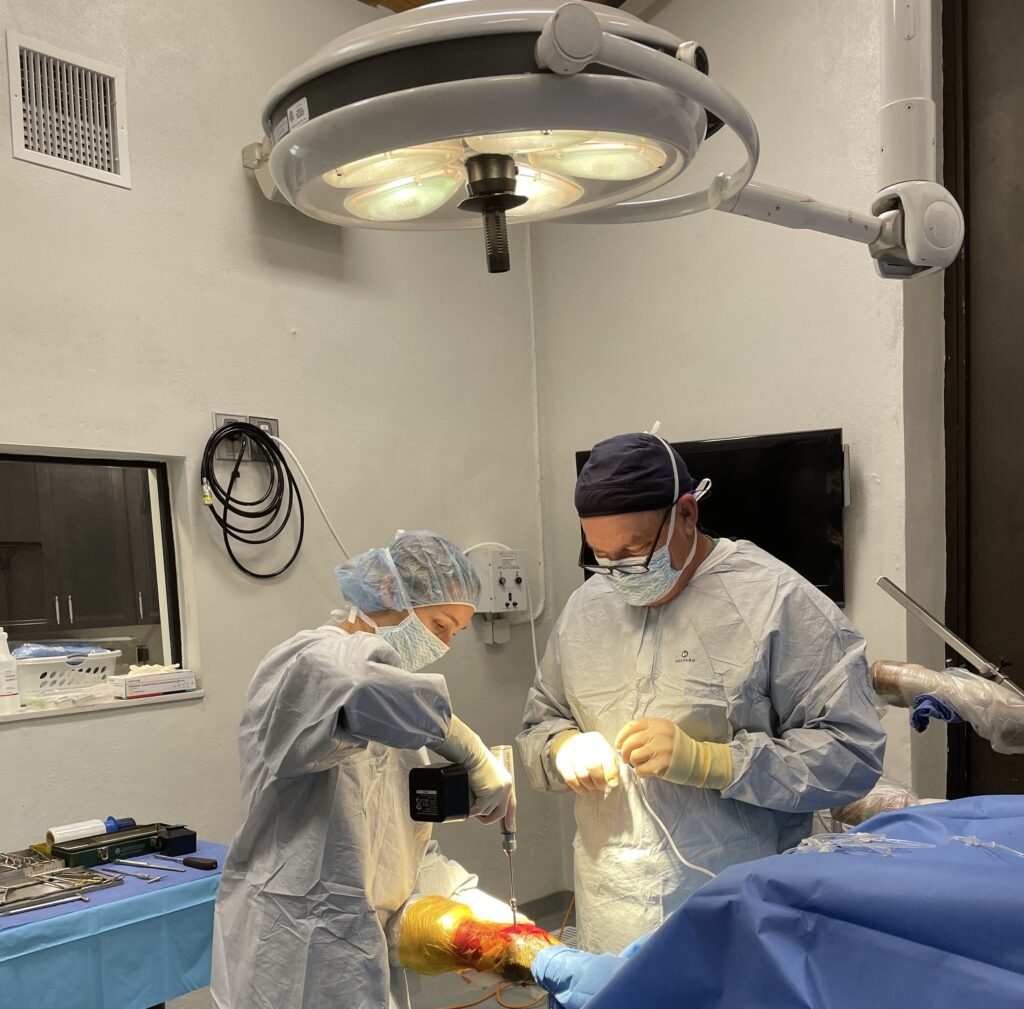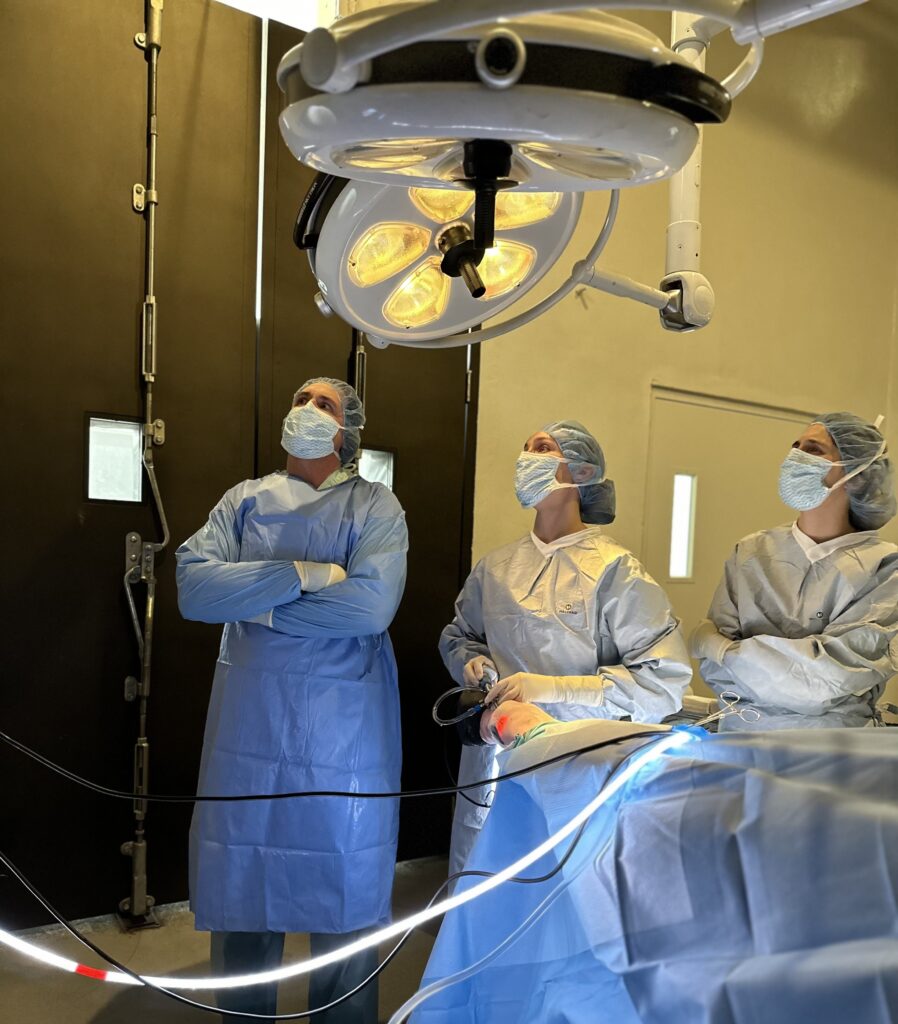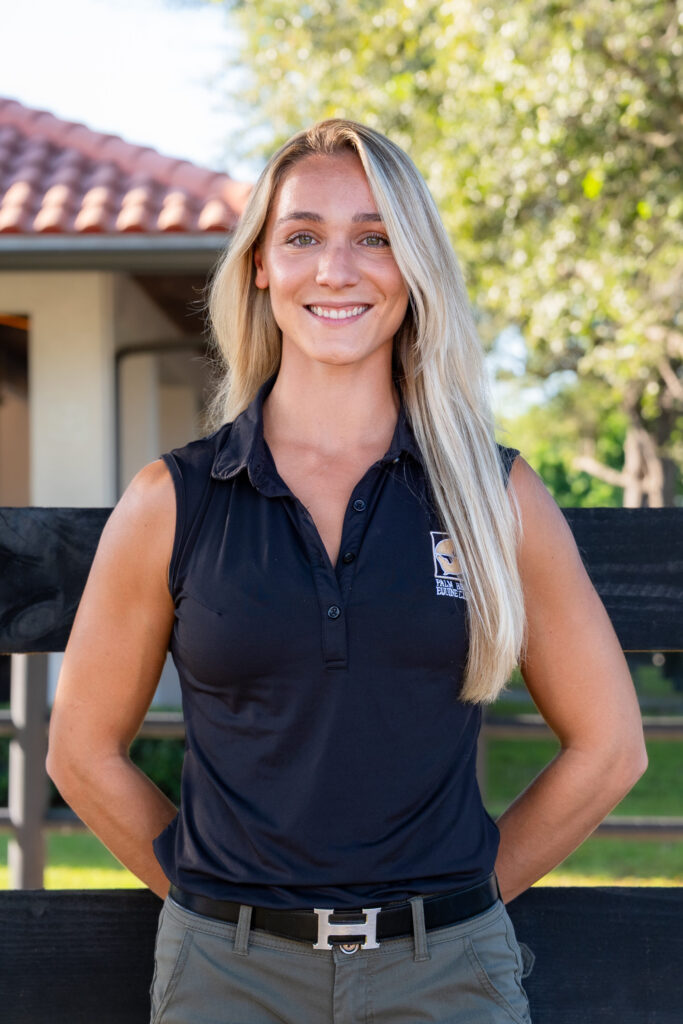
Originally from Long Island, NY, Dr. Michelle Maguire developed a passion for equine veterinary medicine through years of competing on the hunter/jumper circuit. She earned her undergraduate degree from the University of Miami in Florida. During summer breaks at home, she began working at Cornell Ruffian Equine Specialists, where she cultivated a strong interest in equine surgery.
Dr. Maguire received her Doctor of Veterinary Medicine (DVM) from Western University of Health Sciences in 2021. During veterinary school, she also pursued training in traditional Chinese veterinary medicine and became a certified veterinary acupuncturist (CVA).
After graduation, Dr. Maguire completed a rotating internship at Rood and Riddle Equine Hospital in Lexington, KY, and then went on to complete a surgical residency at Palm Beach Equine Clinic in Wellington, FL. She became board-certified by the American College of Veterinary Surgeons (ACVS) in February 2026.
Outside of veterinary medicine, Dr. Maguire enjoys riding her own horses, weightlifting, and spending time outdoors with her boyfriend, Nick, and their golden retriever, Murphy.
What was your path to vet school, and why did you choose it?
I’ve wanted to be a veterinarian for as long as I can remember — really, since I was old enough to understand what that meant. I’ve always felt a strong connection to animals and a desire to care for them, so this path felt very natural to me. Over time, that early interest grew into a clear goal, and veterinary medicine became the perfect way to turn that passion into a career.
What interested you most about learning more about equine surgery?
Early on, before veterinary school, I had the opportunity to work alongside equine surgeons, and I was really inspired by their skill, attention to detail, and the level of care they provided. That experience sparked my interest and showed me the kind of clinician I wanted to become.
I’ve always been drawn to surgery because it’s very hands-on and detail-oriented. I enjoy working through complex cases and solving challenging problems, and that’s what continues to keep me excited about equine surgery.
Why did you come to PBEC?
I was first introduced to Palm Beach Equine Clinic while competing at the Winter Equestrian Festival, where I relied on PBEC veterinarians to care for my own horses. On the day I was accepted into veterinary school, Dr. Bob Brusie was performing a lameness evaluation on one of my horses. After I shared the news, he took a moment to show me how to perform a nerve block. While I already had a strong interest in equine medicine, that experience stands out as a memorable early interaction with the PBEC team.
Soon after that, I visited the clinic and observed surgery firsthand, which reinforced my interest in the field. During veterinary school, I completed two externships totaling five weeks. Through those experiences, I was drawn to the team’s expertise, collaborative environment, and the advanced techniques and modalities available at PBEC. Additionally, the diverse sport horse caseload in Wellington, combined with a robust surgical volume, makes it an ideal setting for continued growth and development.
What was the surgical residency program like, and what did it teach you?
PBEC is one of only a few private practices in the country approved to offer a surgical residency program through the American College of Veterinary Surgery (ACVS). To meet those standards, a hospital must provide a very high level of training, including access to board-certified surgeons, advanced imaging, and a wide range of complex surgical cases.
What made the program especially valuable was its collaborative environment. We worked closely with specialists across multiple areas, such as internal medicine and radiology, and we managed complex cases together in real time. That kind of hands-on, team-based approach is what really shaped my training as a surgeon.
Can you explain what it means to sit for AVCS board certification? What does that diploma grant you?
Sitting for ACVS board certification is the final step in a very long and rigorous training process. After completing veterinary school, you go through several additional years of specialized surgical training, during which you not only performing a high volume of complex procedures, but also training in other areas like anesthesia, imaging, and internal medicine, and contribute to research.
Once that training is complete and your credentials are approved, you’re eligible to take the final board exam. Passing the exam grants you Diplomate status, which means you’re officially recognized as a board-certified veterinary surgeon. It signifies a high level of expertise and a commitment to the highest standards of surgical care.
PBEC has six other board-certified surgeons – have you worked with all of them? What is something important they have taught you?
I’ve worked closely with all the surgeons at PBEC, and that kind of collaborative environment has been invaluable. One of the biggest takeaways from my training has been the importance of sound judgment — understanding the full picture of the horse, the injury, and the long-term outcome, rather than focusing solely on the surgical procedure.
Are there certain types of surgery that interest you more than others? How many surgeries do you perform each month?
Early on, I thought I would focus primarily on orthopedic surgery — things like fractures and joint injuries. But in real-world practice, you have to be ready to handle whatever comes through the door. On any given day, that can mean everything from airway surgery to a broken leg to an abdominal emergency.
Over time, I’ve realized that’s actually what I enjoy most. I don’t just like one niche; I really enjoy the variety. Each case has its own challenges, making the work interesting and rewarding.
We typically do between 20 and 60 surgeries per month, depending on the time of year.
What is the feeling you get when you see a horse rehab successfully from its surgery?
There’s nothing better. You meet these horses on what can be one of their worst days, and seeing them come through surgery, recover, and return to a comfortable, active life is incredibly fulfilling. That transformation is what makes the job so meaningful.
It’s also very special to help their owners and riders. Giving someone more time with their horse — whether that’s back in the saddle or simply enjoying their companionship — is one of the most rewarding aspects of this job.
Are there any further steps to your veterinary education?
Veterinary medicine is truly a field of lifelong learning. Even after completing formal training, we’re constantly learning through conferences, new research, and collaboration with colleagues. Staying current is essential to providing the highest level of care for our patients.