
Category: Team
Meet Surgical Resident Dr. Michael Myhre
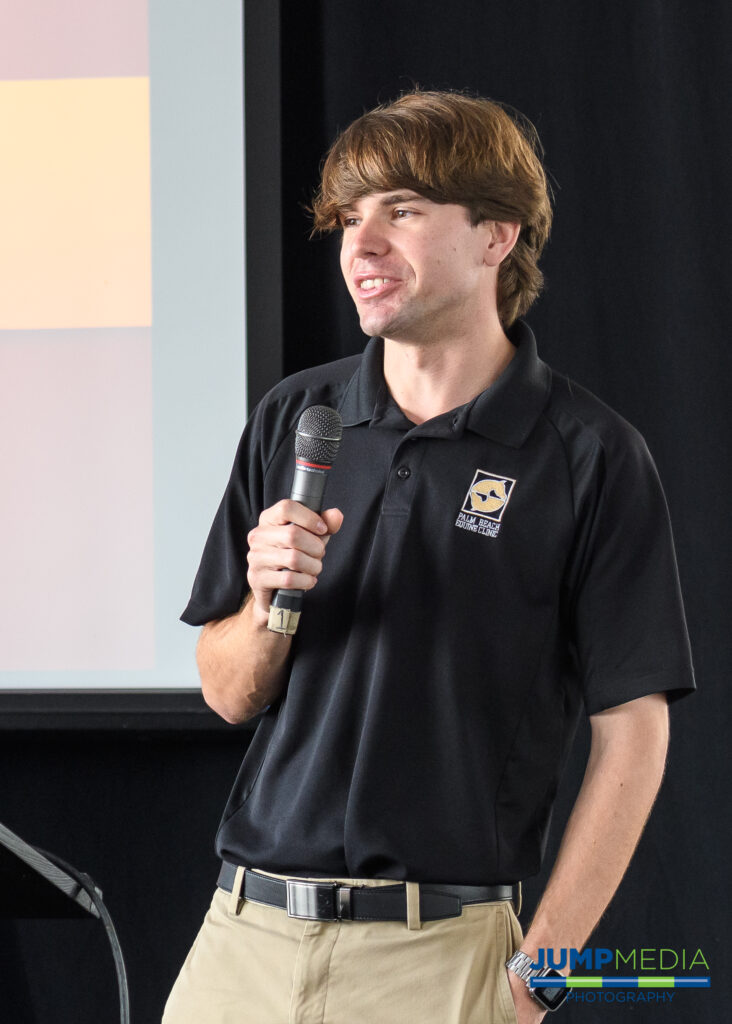
Dr. Michael Myhre was born to be a veterinarian. In 1978 his father, Dr. Grant Myhre, developed a referral practice, Myhre Equine Clinic in Rochester, NH. After working alongside his father since middle school, Dr. Myhre, who hails from Milton, NH, believes he was always destined to be a veterinarian. Dr. Myhre graduated from Cornell University College of Veterinary Medicine based in Ithaca, NY, in 2016, and he joined Palm Beach Equine Clinic thereafter as a surgical resident to work under the direction of board-certifed surgeons Dr. Robert Brusie, Dr. Jorge Gomez, and Dr. Weston Davis.
What is your background with horses?
I grew up in my father’s practice. He would bring me along to see outpatients and cut colics at 2 a.m. When I was in high school and college, I would work there during the summers as a technician. I kept learning from him and when it was time to decide what I would do, I applied to vet school.
We had some lesson horses at home and taught some therapeutic riding, so I rode on the trails occasionally, but I knew I was always supposed to be a veterinarian.
Where did you complete your undergraduate degree?
I attended Ithaca College in New York and studied computer science. It is a pretty unusual undergraduate degree for a veterinarian, but I did not want to go the traditional route of getting a biology degree. Computer technology is now involved in a lot of veterinary medicine – so much of what we do is going through computers, so it is an asset to have that degree.

I still took all the biology and chemistry classes at the same time, and I finished in three years. At that point, I applied to Cornell University and was accepted.
What led you to Palm Beach Equine Clinic?
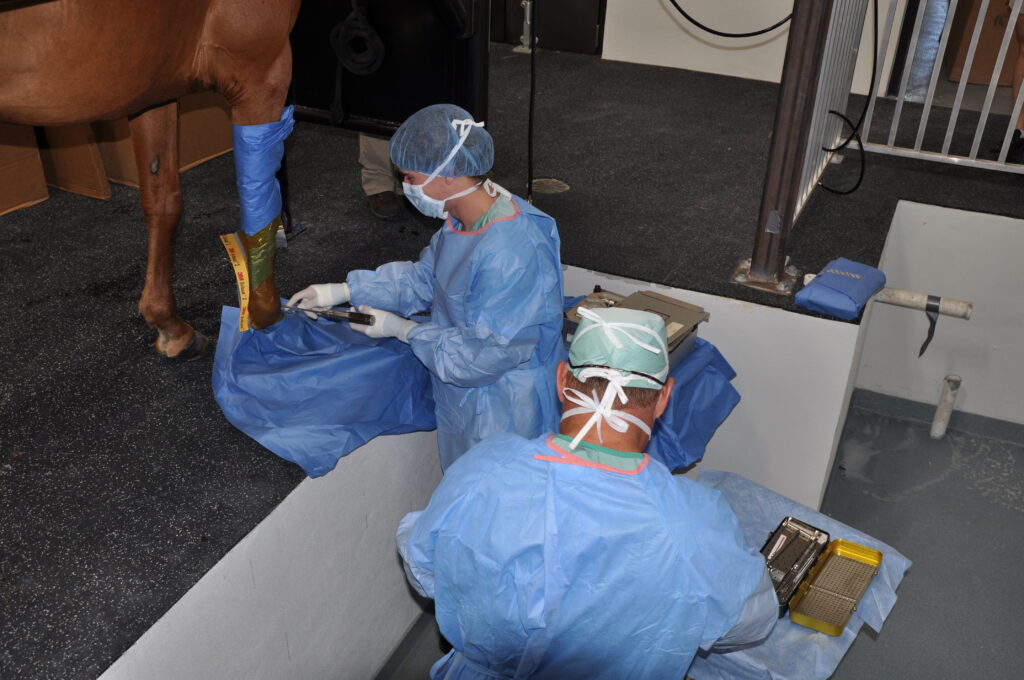
I came here because it is the best residency program in the country. I have a big caseload and get to work on the best horses in the world. I started on July 1 and what I like the most is the diversity in cases. We have seen hunters, jumpers, dressage horses, and racehorses. I have done everything from condylar fracture repairs to MRIs, nuclear scintigraphy, x-rays, and even colic surgery on a miniature horse. Palm Beach Equine Clinic stays at the forefront of technology with a new standing surgery pit, standing MRI machine, and paperless medical records.
What goals do you have for your veterinary career?
After my three-year residency at Palm Beach Equine Clinic, I plan to move back to New Hampshire and work at my father’s practice.
What can we find you doing when you’re not working?
I am pretty much always working, but my girlfriend is a neurology resident in Manhattan, so I try to visit her as much as I can, or I take advantage of living in Florida and go swimming.
Name one thing most people wouldn’t know about you?
I rowed for the Ithaca College crew team and while I was in vet school, I was an assistant coach for the Cornell University team.
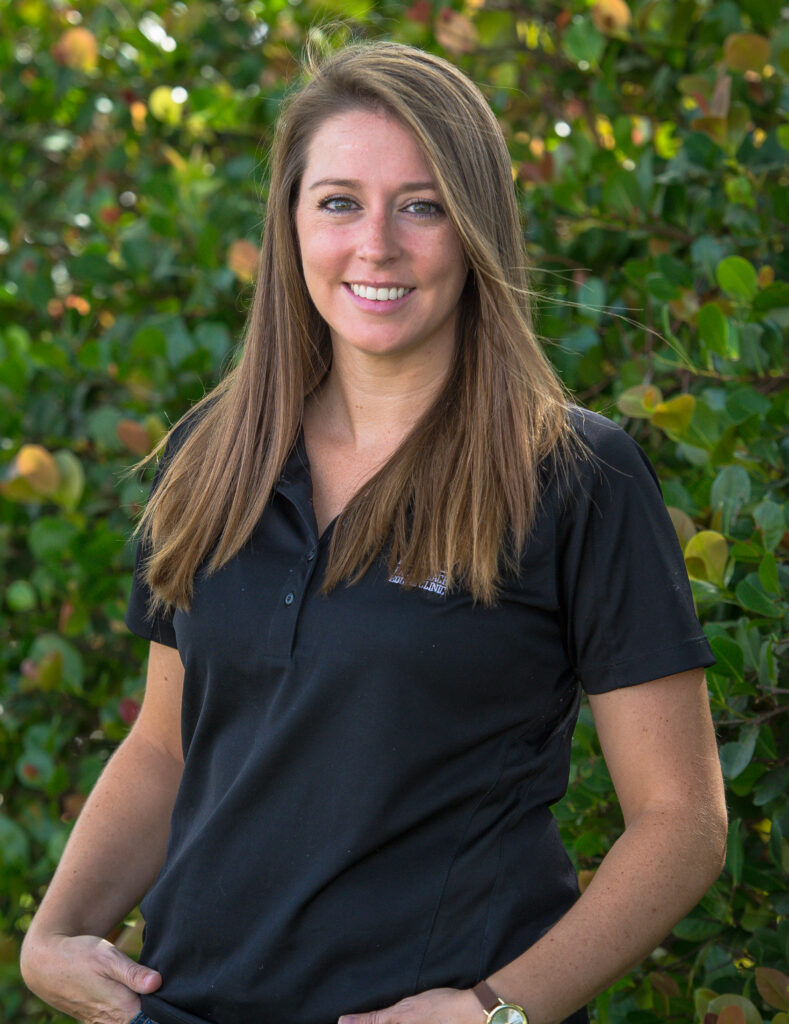
This month, Palm Beach Equine Clinic welcomed a new face to their team. Dr. Katie Atwood, hails from Jacksonville, FL, and attended veterinary school at the University of Florida, making her return to south Florida from Lexington, KY, a special homecoming.
What brought you to Palm Beach Equine Clinic?
I grew up in Florida, so I wanted to be closer to family and the ocean! But, I was also looking for an opportunity to grow and become a better veterinarian. This is a difficult industry to get into, but it is especially difficult to find the right practices. This is a chance for me to work with some of the best doctors in the country.
What would you say is your specialty at Palm Beach Equine Clinic?
In addition to general, preventative and sport medicine, I will be focusing on Palm Beach Equine Clinic’s reproductive work. I did an internship and a fellowship in reproduction and realized that it is what I am most interested in. I will be working on breeding mares, performing frozen and fresh semen inseminations, as well as breeding management and embryo flushes for transfers to recipient mares.
What inspired you to be a veterinarian?
When I was a little kid we had a trail behind our house that was really popular and I would sit on the back wall and watch everybody ride by on their horses. We do not have any other veterinarians in my family, but when I was five years old I realized that I wanted to work with animals. During my undergraduate studies in Animal Science at Berry College in Rome, GA, a professor named Dr. Martin Goldberg really pushed me to pursue veterinary school.
I wake up every morning so excited to go to work and if I don’t come home exhausted and filthy then I have done something wrong. It is an “every minute of every day” commitment, but very rewarding.
When you aren’t working, where can we find you?
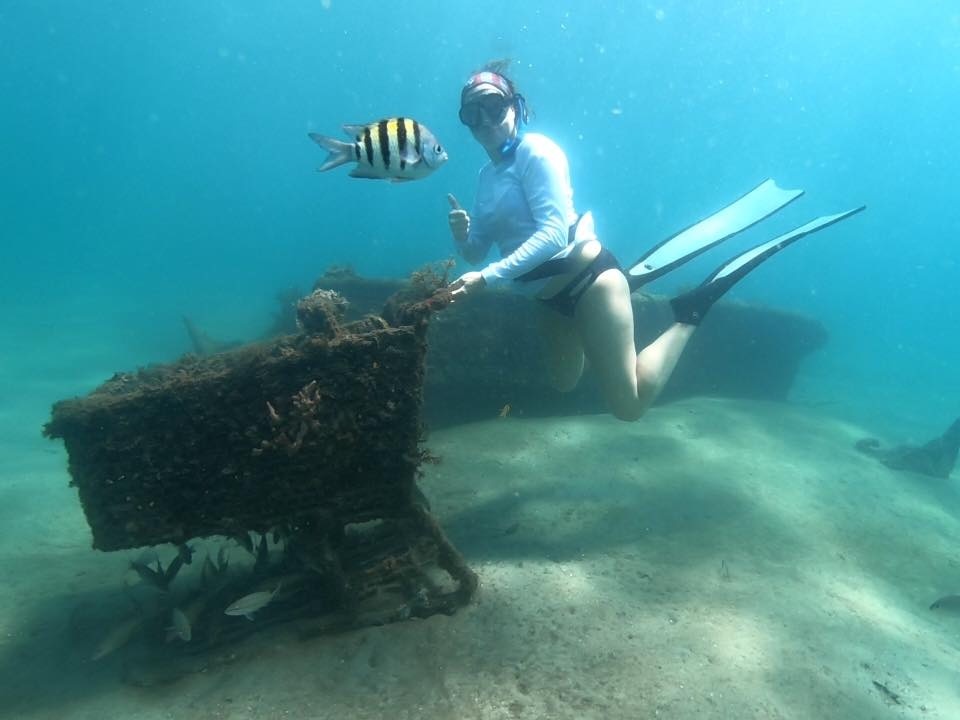
I like to spend as much time as possible in the water. I can usually be found swimming, diving or paddleboarding at the beach and spending time by the pool
What advice would you give to someone considering pursuing veterinary school?
Do it! It will be the most difficult time of your life, but if you have a passion for it, it will be so rewarding. Dedication is so important; take advantage of every wet lab you can, go to any conference that is available, and take advantage of opportunities to meet new people and gain mentors. Who wouldn’t want to do what they love for a living?
Name one thing most people wouldn’t know about you?
I am a pretty open book at this point. But, when I retire, my fiancé Mackenzie and I want to sail around the world!
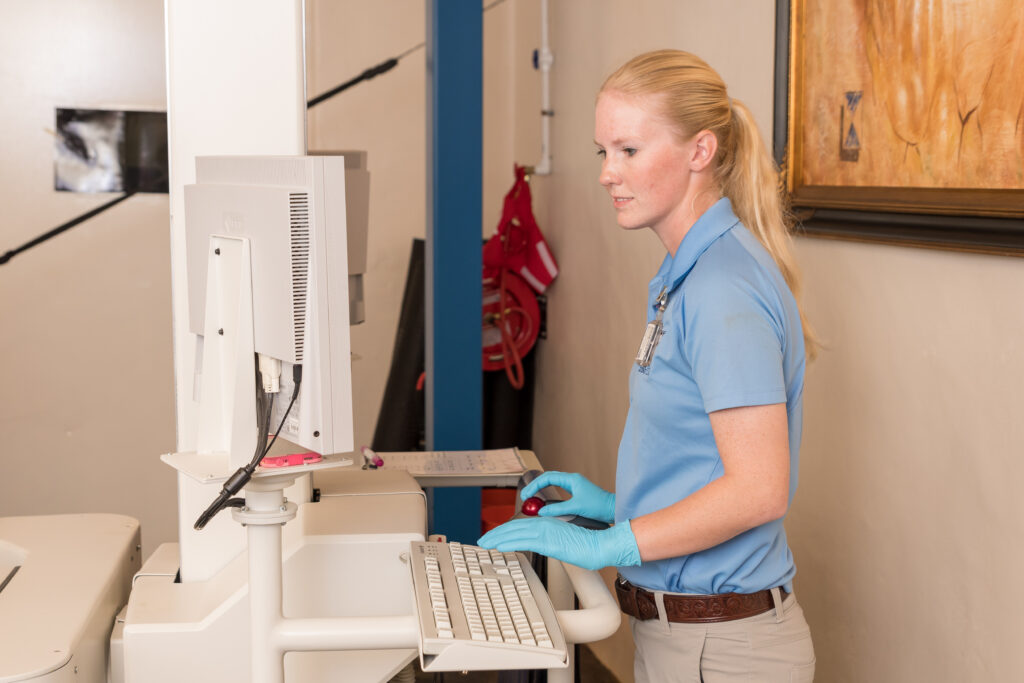
Originally hailing from Chicago, Illinois, Brittany Cain attended Southern Illinois University before moving to Florida and joining the staff of Palm Beach Equine Clinic as the manager of the Nuclear Scintigraphy department.
What is your background with horses?
Growing up, my parents actually had nothing to do with horses; we’re from the city of Chicago, so they were not horse people at all. I was just always the horse obsessed little girl – you know, the one horse girl in the class! When I was about 13, I started volunteering at a therapeutic riding center, so I got a lot of hands on experience there. I learned to ride a little bit and worked with the special needs kids. That was great.
When I was 18 years old and had my first paying job, I was able to afford actual riding lessons and it just went from there!
I did a lot of work on Standardbred breeding farms up in Illinois. I foaled out a lot of babies and trained a lot of weanlings. Many of those yearlings went on to be race horses. I did that for three years during college, and that was a really neat experience.
What led you to pursue a career as veterinary technician?
Throughout high school, I was always obsessed with horses. I volunteered all of my free time to be at the barn. I knew I wanted to do something that I loved, so I found Southern Illinois University, and they had a bachelor’s degree in equine science. I applied to one school, got in, and it was perfect. I didn’t have to find a bunch of schools; I just went to the one that I wanted right away, and I knew what I wanted to do!
What led to your focus on the Nuclear Scintigraphy Department in particular?
I’ve always had a strong interest in the anatomy of horses. I knew a lot of equine anatomy from college where I took many courses that covered the musculature anatomy as well as skeletal. In addition, working with all of the Standardbred yearlings was great experience for working with the two and three-year-old racehorse patients that see here at Palm Beach Equine Clinic.
What is your typical day like at Palm Beach Equine Clinic?
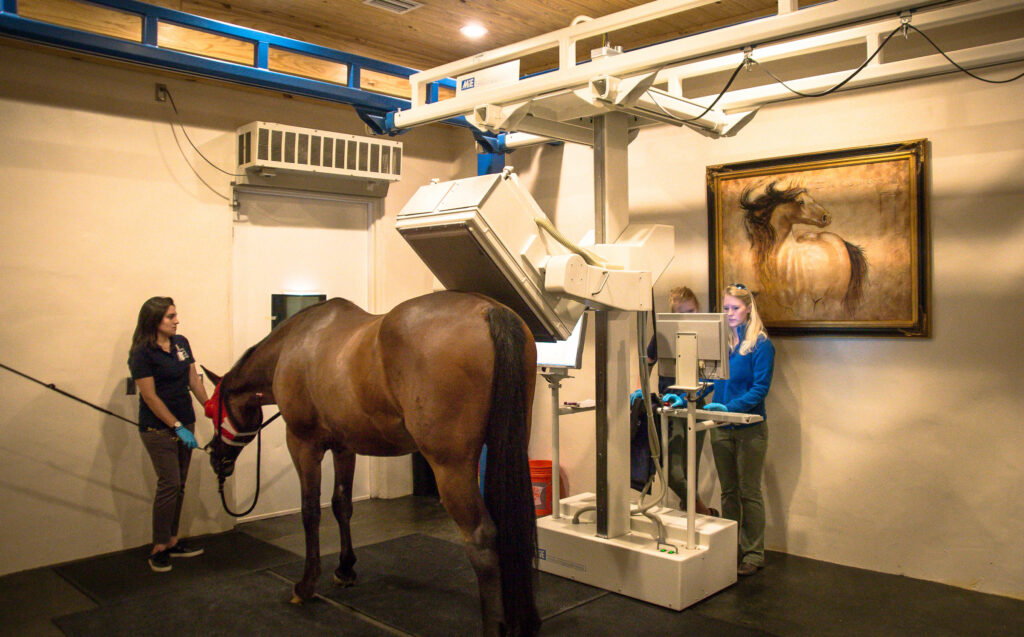
As the manager of the Nuclear Scintigraphy Department, I have the patients in the scanning area for bone scans. Myself and technicians will bring the horse into the area, I will take their temperature, pulse, and respiration checks, and then I will place a catheter and inject the radioactive isotopes.
It takes two hours for the isotope to settle into the bones, and then I can begin the bone scan. I usually inject the isotope, and then I do a lot of paperwork in between the two hours since there’s a lot of tracking and recording for dealing with radioactive materials. Then the scan begins. The horse comes into the room; they’re lightly sedated. The scans usually take from one to two hours or, for a full body scan, anywhere from two to four hours. It’s a lot of keeping the horse comfortable, getting all of the images that are needed, and making sure that the images are high quality. Usually during the busy winter season, we have anywhere from two to three horses a day so it keeps me very busy.
What do you enjoy most about working at Palm Beach Equine Clinic?
I love the variety of patients that we see. We get cases of racehorses, polo ponies, barrel racers, top show jumpers, hunters and dressage. It’s really neat seeing all of these talented and often very expensive horses.
Have you had any standout or favorite moments since you joined the Palm Beach Equine Clinic team in 2015?
We went down to Miami for the Longines Global Champions Tour to assist in taking the arriving horses off the airplanes. I helped by taking temperatures, pulse, and respiration checks on all of the competition horses. It was really cool seeing the caravan from the airport to the show grounds and just how it’s set up on Miami Beach.
What do you enjoy doing when you’re not working?
My fiancé and I go fishing a lot usually at the beach or off a pier; we definitely enjoy spending our free time fishing.
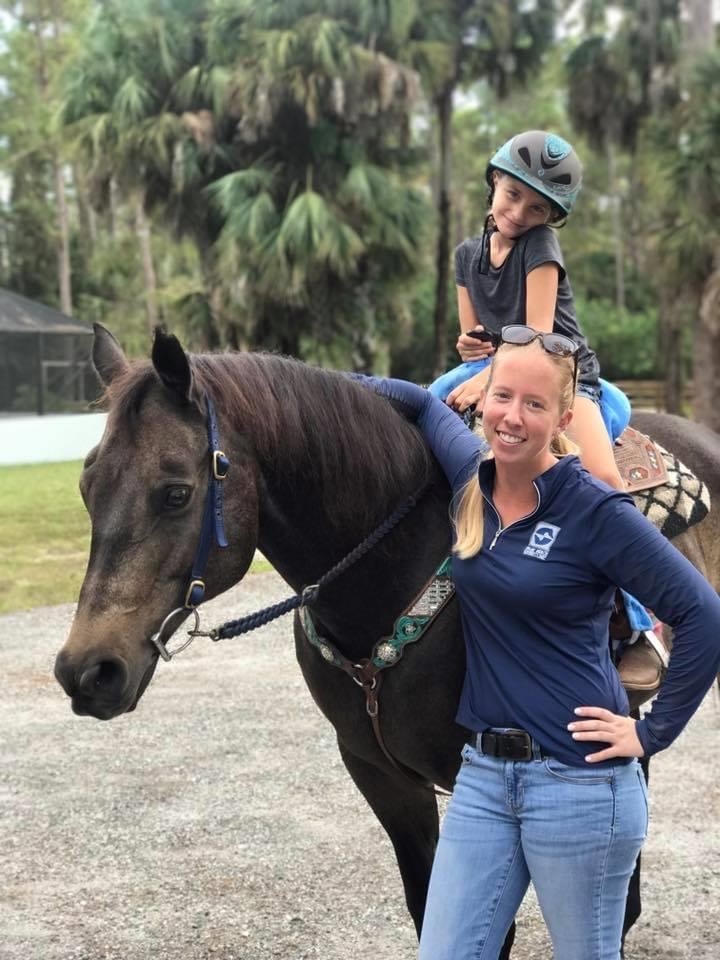
Cassidy Hoff is a veterinary technician and assistant to Dr. Richard Wheeler of Palm Beach Equine Clinic. Originally from Middletown, CT, Cassidy joined the team at Palm Beach Equine Clinic in April of 2015.
What is your background with horses?
I’ve always had a passion for horses and I started riding lessons when I was seven years old. I attended Centenary College (now a University) in Hackettstown, NJ, and rode competitively as a student. I graduated in 2012 with a Bachelor of Science in Equine Studies with concentrations in Riding Instruction and Therapeutic Riding Instruction, receiving an additional PATH certification (Professional Association of Therapeutic Horsemanship International).
How did you start at Palm Beach Equine Clinic?
I moved to Florida after graduating from college in 2012 and landed my first job as the head instructor of a therapeutic riding center. I worked there for about three years. Through that experience, I realized that I had a strong interest in the veterinary side of the equine industry. Dr. Greenfield was the center’s primary veterinarian, which is how I learned about Palm Beach Equine Clinic. I applied for a job at Palm Beach Equine Clinic and the timing was perfect to work for Dr. Wheeler.
What is your typical day like?
We usually work six days a week, but during the busy winter season, seven days a week is more likely. Typically, my day begins around 8 a.m. and continues until we are finished with our client appointments. At the end of our day, I send out reports to clients we worked with throughout that day which contain discharge instructions for the findings from each appointment.
Dr. Wheeler mainly focuses on sport horse medicine. I assist him with lameness evaluations, joint injections, ultrasound exams, nerve blocks, and taking radiograph images. I am also responsible for keeping the truck well stocked and organized, replacing medications we use throughout the day and administrative work. Additionally, we complete many pre-purchase exams and I am responsible for putting together the findings for the final exam documents.
What do you like most about your job?
I love the teamwork aspect. A lot of the horses we treat compete in the WEF Saturday Night Lights or in the AGDF Friday Night Stars classes. Being able to watch these top competitions is even more exciting when you know the horse and their whole team! I feel lucky to be working with Palm Beach Equine Clinic and these horses at the top levels of their sport, and even more fortunate that the clients are amazing to work with. It takes a village to get a horse to the top levels and it is really exciting to be a part of that.
What do you do when you are not working?
I still try to find time to ride, which will always be a passion of mine. It is a little bit easier during the off-season summer months. I also enjoy going to the beach, hanging out with friends and reading.
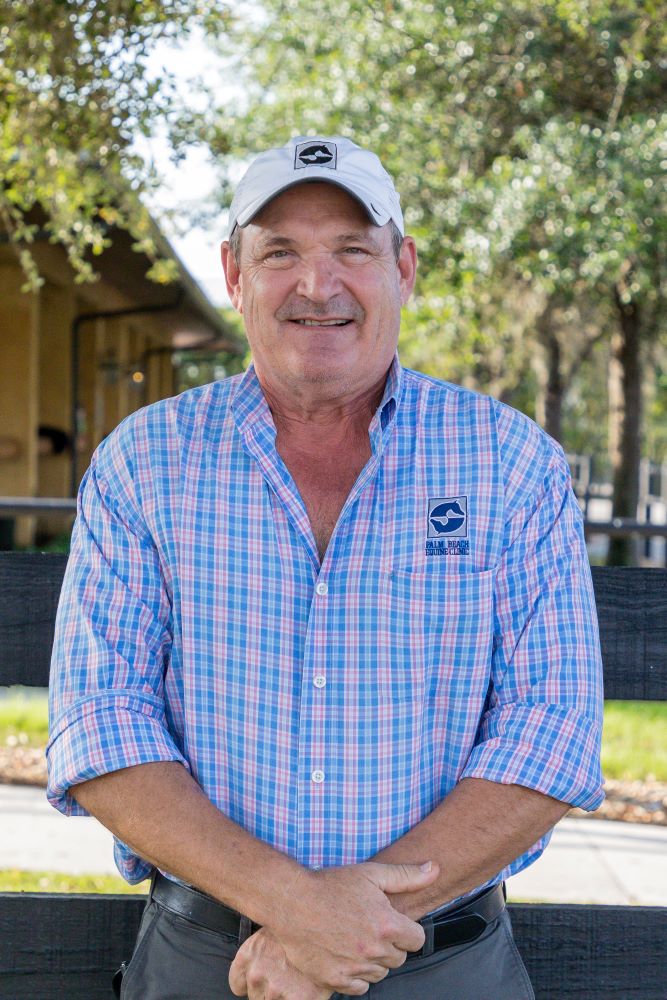
Palm Beach Equine Clinic of Wellington, FL, has a team of over 30 skilled veterinarians, including three Board-Certified Surgeons, one of the world’s only Board-Certified equine Radiologists, and numerous other experts in their fields. Palm Beach Equine Clinic’s surgical team leader, Dr. Robert Brusie, is a nationally renowned Board-Certified surgeon whose surgical specialties include orthopedic, arthroscopic, and emergency cases. Dr. Brusie has been the head surgeon with Palm Beach Equine Clinic for the past 20 years and is a beloved part of the team.
Dr. Brusie graduated from Michigan State University College of Veterinary Medicine. He completed his surgical residency at the Marion DuPont Scott Equine Center in 1989 and has been in private practice ever since. He became a Diplomate of the American College of Veterinary Surgeons in 1994. Dr. Brusie joined Palm Beach Equine Clinic in 1996.
Dr. Brusie is a Board-Certified Surgeon who is recognized for his expertise in colic surgery, as well as for his skill in arthroscopic surgery. His surgical experience expands the clinic’s progressive care in both emergency and elective procedures. He has published articles on numerous topics, including the equine intestinal tract and septic arthritis in horses. Dr. Brusie is married and has three daughters.
What was your background with horses growing up?
I grew up on a farm in Michigan. We had usually between 200-600 head of cattle and always between four to six horses. Our horses were cow ponies or driving horses. My dad loved horses and had to have them around. My family has owned our farm for six generations – it pretty much occupied all of our time besides sports and school. Needless to say, we didn’t have much time to show horses.
When and why did you decide to become a veterinarian? Did you know you wanted to be a surgeon from the start?
I decided to become a veterinarian at an early age. I think I was seven or eight years old when I pulled my first calf. One of my dad’s hired men called me ‘doc’ when I was about that age. When I went to college, my plan was to become a large animal veterinarian and live in my hometown and continue to farm part-time with my three brothers. All of that changed when I was in Veterinary school at Michigan State University. Dr. Ed Scott was one of the five surgeons at MSU. He was a gifted surgeon and a great teacher. He kind of steered me into an equine internship at Auburn University. It was one of those things that the more you did, the more you wanted to do to improve yourself. I operated my first colic by myself when I was three weeks out of vet school (32 years ago).
How did you first start working at Palm Beach Equine Clinic?

I was a surgeon at a clinic in Atlanta. In 1996 I had performed surgery for a client of Dr. Paul Wollenman’s. He had started this practice in 1975. He asked me if I needed a job. I was planning on staying in Atlanta for the rest of my career. I received phone calls from the other two partners over the next nine months, and eventually with encouragement from my fiancé, now wife Melissa, I took the job.
What do you love most about working at Palm Beach Equine Clinic?
We have an exceptional group of veterinarians and staff here. The depth and scope of our veterinarians is amazing due to the large caseload. On any individual case, there may be two to three doctors that have input on the case to ensure no stone is left unturned.
Additionally, we are so privileged to work on some of the best show, race, and polo horses in the world. It is truly an honor.
What sets the surgical services at Palm Beach Equine Clinic apart?
Between Drs. Gomez, Davis, and myself, we perform just about every soft tissue and orthopedic surgeries that are done in our field.
Personally, my greatest sense of success is when I see a horse back after surgery going as good or better than it was prior to surgery.
What are the biggest changes you have seen in sport horse medicine over the years?
Currently, the most exciting thing we see going on in medicine is regenerative therapy. Twelve to 15 years ago, we were harvesting bone marrow from the sternum and injecting it into lesions in tendons and ligaments. Now we manipulate the bone marrow or other sources of stem cells to promote more rapid and more functional healing of some of these injuries. I can assure you that in 10-20 years what we are doing now will seem stone-aged by then. There are some very clever minds performing some serious research in this field.
How do you stay up-to-date on new medical advances?
Every veterinarian at Palm Beach Equine Clinic tries to attend as many meetings as time allows. We also do a weekly journal club at our clinic to discuss recently published papers in veterinary and human medicine and surgery.
What is the most interesting or challenging surgery that you have done?
Dr. Gomez and I had a three-year-old racehorse that had split his P1 (long pastern bone) and cannon bone in the same leg in a race. We were able to piece together both bones perfectly and the horse recovered brilliantly. He probably could have returned to racing, however, the owners elected to retire him to life as a breeding sire.

How do you spend your free time when you are not working?
When I’m not doing something with my family, I really enjoy woodworking. My current project is building a kitchen table for Sarah, my assistant of 12 years. In the summer, I get roped into helping on my brother’s farm.
What is something interesting that people may not know about you?
I have three daughters who I am very proud of and tend to brag on maybe a little too much. My oldest, who was a nationally ranked swimmer, is now an anesthesiologist in human medicine. My middle one is either number four or five (depending on the week) in the nation in debate, and my youngest will probably run the free world (you will have to ask her if she wants to).
How else is the family involved in horses?
My wife (Melissa) and youngest daughter (Kayla) are horse nuts in the true sense of the word. Anything to do with horses (especially show hunters) they are dialed in. Melissa loves riding, and Kayla shows in hunters and equitation.
What makes Palm Beach Equine Clinic a special place for you?
I am blessed to have three good men as business partners. They are my good friends and great people. We are very lucky to have 20-plus veterinarians working with us who are very knowledgeable and caring individuals. We feel like a little practice, but with a lot of people who just get the job done.
Palm Beach Equine Clinic provides experience, knowledge, availability, and the very best care for its clients. Make Palm Beach Equine Clinic a part of your team!

Dr. Tyler Davis graduated from the University of Glasgow School of Veterinary Medicine in Glasgow, Scotland, and performed his undergraduate studies at Pennsylvania State University. He then became a member of the Royal College of Veterinary Surgeons. Dr. Davis was born in Linesville, Pennsylvania, and is married to Dr. Janet Greenfield, also a Palm Beach Equine Clinic veterinarian. He enjoys fly-fishing and spending time with his wife and their two children.
How did you get your start with horses?
Entering vet school, my intentions were always to work in large animal medicine. I actually thought I might focus on farm animals, having grown up in a farming area in Pennsylvania. My focus turned to horses alone after starting to work with the university research ponies and spending more time around the equine hospital in my first year of vet school.
When and why did you decide to become a veterinarian?
My interest in veterinary medicine started in middle school. I participated in 4-H, raising animals for our county fair, and had friends who were farmers. Between the two I met many of the local vets and experienced the veterinary profession. When offered to ride along with them on calls, I agreed. While I did investigate other degrees within the science/biology field, I settled on veterinary medicine.
What was the experience of attending veterinary school in another country, and how did that enhance your education?
I was lucky to have the opportunity to attend vet school at the University of Glasgow in Scotland. Attending vet school in a different country afforded me the opportunity to visit places and experience cultures I would have otherwise never had. Also, I believe the experience allowed me to see agricultural practices in a different light, when compared to those practices in the USA. I participated in externships both in the UK and in the USA (knowing I wanted to move back home following graduation) while attending vet school, allowing me to discover different qualities from each.
Why did you choose to focus on dentistry?
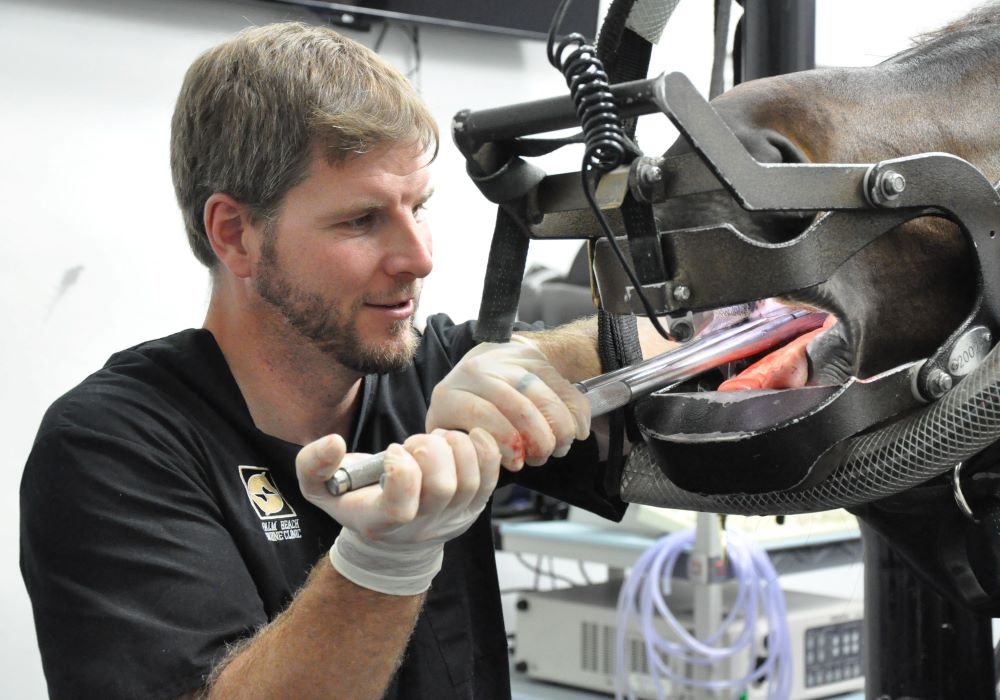
I think that I have a strong focus in dentistry but have a number of other skills as well. When starting at PBEC there were only 1-2 other doctors in the practice performing routine dentals floats and the like. I enjoyed the dental work and began steering my focus on the topic through wet labs, continuing education seminars, etc.
What kinds of work are involved with equine dentistry?
My focus in dentistry goes beyond simply floating teeth. While routine dental floats do take up a large portion of my dentistry duties, there are other aspects of the field, which I participate in as well. I also see horses for dental examinations when we may think there is a relationship between the dentition/head and their ability to perform at their desired level. Tooth extractions make up another portion of the dentistry I perform. Occasionally we find infected or fractured teeth on the routine dental exams, but more often these horses are referred to us, either with a diagnosed tooth problem or with a related complaint (not eating, plays with bit during work, throwing head, etc.). We are able to bring these horses to the clinic to be “worked up” (diagnosis through x-ray, oral exam, etc.) and treated (oral tooth extraction, sinus flush, etc.). We have a great facility offering versatility with cases. I work closely with our surgical staff so that if needed, we can put a horse under general anesthesia if more invasive surgical procedures are merited.
What do you love about working at PBEC?
Palm Beach Equine Clinic has both a great facility and great staff. It is a joy working here.
What are some of your other interests?
My other interests include archery, fishing, and woodworking. Typically if I am not working then I am spending time with my beautiful wife and daughters.
What is something interesting that people may not know about you?
Growing up in Pennsylvania, I am actually a pretty good Polka dancer.
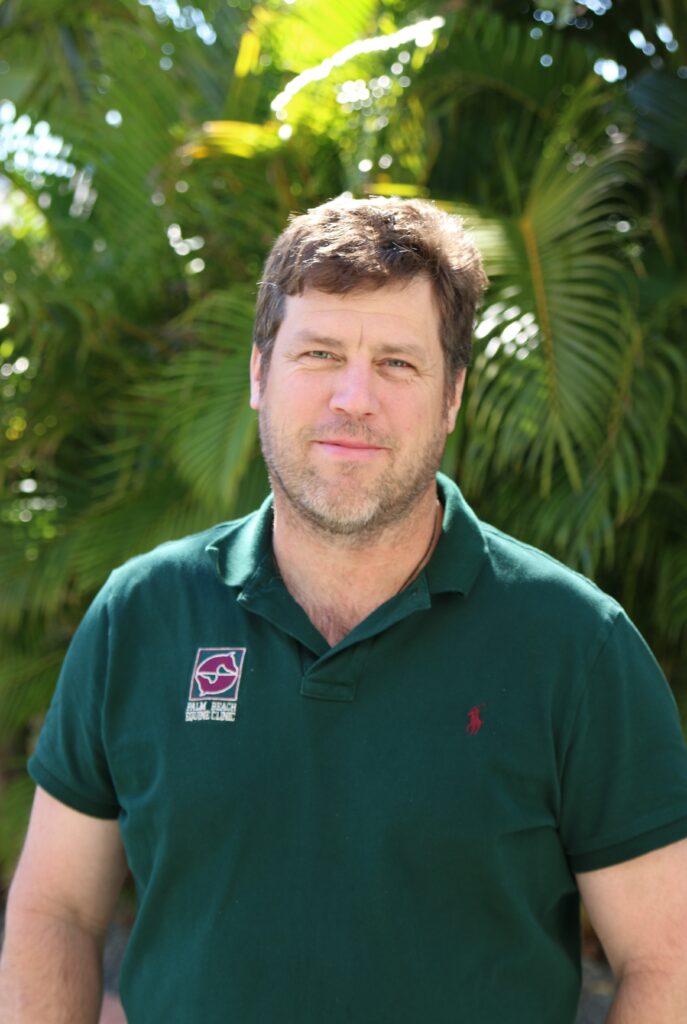
As one of the top equine medical centers, Palm Beach Equine Clinic has the pleasure of working with many highly specialized, world-class equine professionals. Dr. Peter Heidmann, DVM, DACVIM, is a Diplomate of the American College of Veterinary Internal Medicine, as well as the Owner/Hospital Director of Montana Equine Medical and Surgical Center in Three Forks, MT. In conjunction with a busy schedule of managing Montana’s leading full-service equine referral practice, Dr. Heidmann joined the team at Palm Beach Equine Clinic in Wellington, FL, for the first time this past winter to share his expertise in internal medicine. Dr. Heidmann is scheduled to return again for the 2017 winter season.
Dr. Heidmann grew up in New England and in the year 2000, graduated from Tufts University in Massachusetts with his veterinary degree. He completed his required internship at Arizona Equine, followed by a one-year surgical fellowship at Oregon State University. Beginning in 2002 to 2005, Dr. Heidmann completed a residency for Internal Medicine at the University of California, Davis.
Following his residency in 2005, Dr. Heidmann began his career with a private veterinary practice in Montana. Then an unfortunate turn of events quickly changed his new employment. Dr. Heidmann’s predecessor in Montana passed away in a tragic car crash on the last day of the year, and Dr. Heidmann stepped up to continue to build the practice left to him. Over the last ten years, Dr. Heidmann has developed Montana Equine to include two satellite offices and six senior veterinarians, plus become the leading referral hospital in the state.
As a Board Certified Internal Medicine Specialist, Dr. Heidmann specializes in neonatology, infectious disease, and ultrasound. In addition to his core internal medicine interests, Dr. Heidmann’s strengths also include advanced performance evaluations.
Dr. Heidmann was recruited by Dr. Scott Swerdlin, President of Palm Beach Equine Clinic, during the fall season of 2015. Dr. Heidmann’s wife, Allison, is a professional jumper and enjoys showing at the Winter Equestrian Festival (WEF). When Dr. Swerdlin offered Dr. Heidmann the opportunity to join PBEC and spend the winter in Wellington, he jumped at the opportunity.
“It worked out really well for me, for family reasons as well as professional reasons, to come down and do internal medicine specialty work during the winter in Wellington,” Dr. Heidmann detailed. “It is nice on the professional front, because Montana is the fourth biggest state, but the second lowest in per capita people. There are a lot of horses there, but there is not a lot of specialty horse work during the winter, so it was really nice to be able to work with the caliber of athletes that are at the WEF and come into Palm Beach Equine Clinic.”
“The facilities are really nice, and I am excited about the improvements they are making, because what was already there was incredible,” Dr. Heidmann said, pointing out recent renovations that are currently underway at the clinic. “It is great to have those resources at your fingertips, not just imaging and equipment, but the staff and variety of expertise. In Montana, I have six or seven veterinarians to bounce ideas off of, and all of a sudden at PBEC I had 30 people with different perspectives, and different backgrounds, and training. You get to see different ways of doing things and see how things can be done even more efficiently. I really emphasize the staff as much as the bells, whistles, and equipment.”
“There are not a lot of us Board Certified Internal Medicine veterinarians, because it is perceived as kind of an egghead, academic sub-discipline of equine work,” Dr. Heidmann admitted. “But what we focus on, especially in healthy horses like the athletes at WEF, are performance issues. Two of the most common, classic, performance-limiting issues in athletes, and especially in sport horses, are respiratory problems and muscle problems, which can range from quite subtle to severe.
“Muscles problems can be subtle issues that involve mild tweaking in diet or micronutrients, or they can be more severe issues like a horse that ties up,” Dr. Heidmann detailed, describing myopathy. “Similarly with respiratory problems, it can be a mild issue where the trainer or rider thinks that the horse used to be better or just is not performing up to its potential. It can be subtle respiratory problems like shortness of breath, or loud breathing, or slow recovery after work, or it can be more severe things like respiratory infections.”
Muscle issues and respiratory problems are the two main areas of internal medicine expertise, but the specialty can include many other things, such as liver problems, neurologic problems (brain and spinal cord both), and the care of sick neonates (foals).
“With seasonal breeders, that three-month period in Wellington is a high time for foals being born, and there is really a great deal that we can do with sick babies to end up with a healthy athlete in the end,” Dr. Heidmann noted. “Many people do not even realize what is possible with sick babies. It is possible to recover a top-notch performance horse out of a foal that looks quite dire.”
While Dr. Heidmann specializes in internal medicine, he and all of the veterinarians at Palm Beach Equine Clinic are very knowledgeable and experienced in general medicine practices.
“All of us in equine work are put in positions where we are generalists too, but what I really enjoy about being part of the team at PBEC is being able to focus on my true specialty,” Dr. Heidmann acknowledged. “This is what I spent so much time training to do, and to really be able to go in-depth, not just with the performance horses but non-WEF horses that are in the area as well, is a wonderful experience. We can really offer a level of treatment that is relatively rare in private practices.”
About Palm Beach Equine Clinic
The veterinarians and staff of Palm Equine Clinic are respected throughout the industry for their advanced level of care and steadfast commitment to horses and their owners. With 30 skilled veterinarians on staff, including three board-certified surgeons, internal medicine specialists, and world-renowned board-certified equine radiologists in the country, PBEC is known for leading the industry in new, innovative diagnostics and treatments. Palm Beach Equine Clinic provides experience, knowledge, availability, and the very best care for its clients. Make Palm Beach Equine Clinic a part of your team! To find out more, please visit www.equineclinic.com or call 561-793-1599.
More about Dr. Heidmann
Dr. Heidmann sees referrals and consults on cases from veterinarians throughout Montana and has served as an expert witness in many legal, welfare, and insurance cases. He served as the Internal Medicine Specialist for the 2011 Pan American Games in Guadalajara, Mexico, and participated as one of the founding veterinarians of Montana State University’s Bioregions program to Mongolia in 2014. He is Adjunct Faculty at Washington State University’s School of Veterinary Medicine in Pullman, WA, and Affiliated Faculty at Montana State University, Bozeman.
Palm Beach Equine Clinic (PBEC) is one of the few equine hospitals in the country to have a full-time radiologist on-site during season. With the addition of Dr. Sarah Puchalski to their staff, as well as the installation of the most state-of-the-art imaging equipment, Palm Beach Equine Clinic has become a leader in diagnostic sport horse imaging.
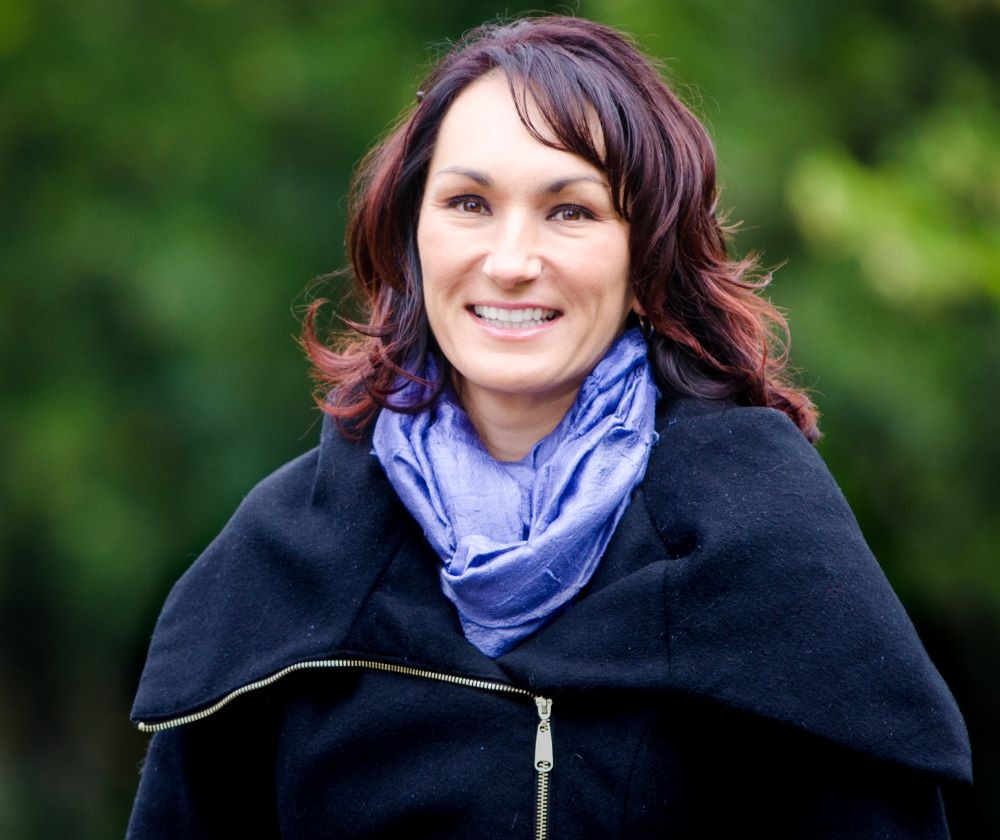
Dr. Puchalski is one of very few board-certified equine Radiologists in the country and one of the most high profile of those in the world. Early in her career, Dr. Puchalski earned the respect of the best in the industry and strives to continue to contribute advances for equine sports medicine and diagnostic imaging.
Dr. Puchalski’s job takes extensive training and a high level of specialization to properly review diagnostic imaging, including MRIs and Nuclear Scintigraphy bone scans to produce written reports for referring veterinarians. In addition to her full-time position with Palm Beach Equine Clinic, she reads cases from all over the world on a daily basis. Many veterinarians and owners request to consult with her for a second opinion.
Potential for Growth
After eight years working as a faculty member at the University of California Davis, Dr. Puchalski decided to take a job with Palm Beach Equine Clinic in December 2013. She had been consulting on Palm Beach Equine Clinic cases for several years prior to the move and felt it was a natural progression. Palm Beach Equine Clinic made huge advances to their in-house imaging technology under her direction.
Almost 30 years ago, Palm Beach Equine Clinic bought the first ultrasound for equine practice in South Florida. Twenty-five years ago, Palm Beach Equine Clinic installed the first gamma ray camera to perform bone scans (Nuclear Scintigraphy). Twenty years ago Palm Beach Equine Clinic developed Computed Radiography (CR) for horses. Currently, Palm Beach Equine Clinic has the most advanced state-of-the-art surgical and diagnostic imaging equipment available. Onsite, they have a Hallmarq standing equine MRI unit, MiE gamma ray camera, Digital Radiography, Video Endoscopy, and a bevy of additional diagnostic equipment.
“ Palm Beach Equine Clinic has a great case population and great equipment, which is a huge bonus for someone doing what I do,” Dr. Puchalski stated. “The equipment is exceptional, the technical staff is excellent, and the case population of the region is obviously amazing.”
Palm Beach Equine Clinic is dedicated to providing exceptional veterinary service for the horse, and Dr. Puchalski proudly supports that mission through her work. She diagnoses issues from complicated images that assist veterinarians in the proper, effective treatment plan. She is able to provide a second opinion on routine diagnostic techniques such as radiographs and ultrasounds. She is also able to provide diagnostic reports for pre-purchase examinations based on the imaging submitted.
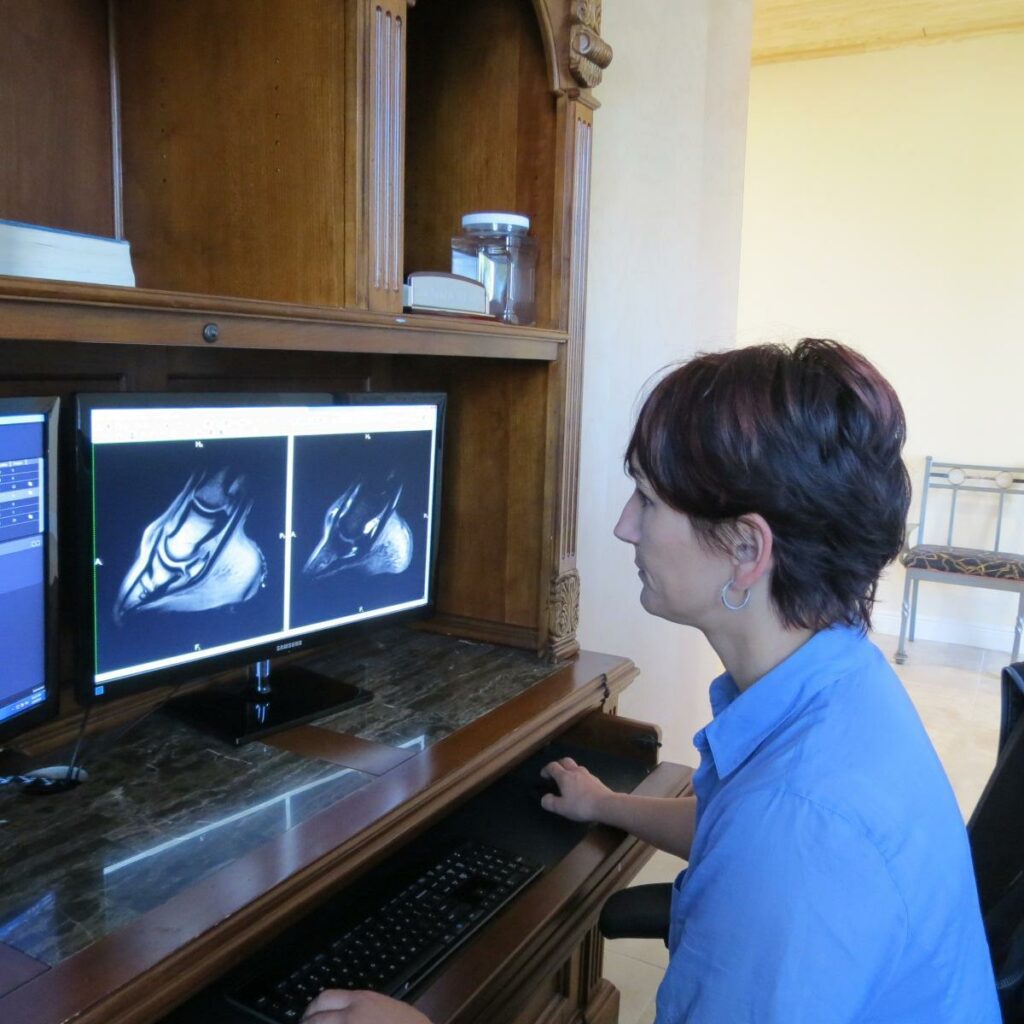
For Dr. Puchalski, the potential for future growth in diagnostic imaging services at Palm Beach Equine Clinic is huge.
“There are new technologies coming into the market for imaging all of the time and Palm Beach Equine Clinic will remain abreast of those advances,” Dr. Puchalski said. “Going forward, we are looking to acquire new equipment, and I think it is fair to say that the hospital will see an increasing role with different kinds of cases. There are a lot of changes in the market that occur very quickly, so we are always trying to figure out the best thing for this practice.”
Finding Time to Ride
In addition to working with PBEC locally and assisting veterinarians around the world, Dr. Puchalski competes her Oldenburg mare, Lucia de Luxe, in the Medium and High Amateur-Owner Jumpers.
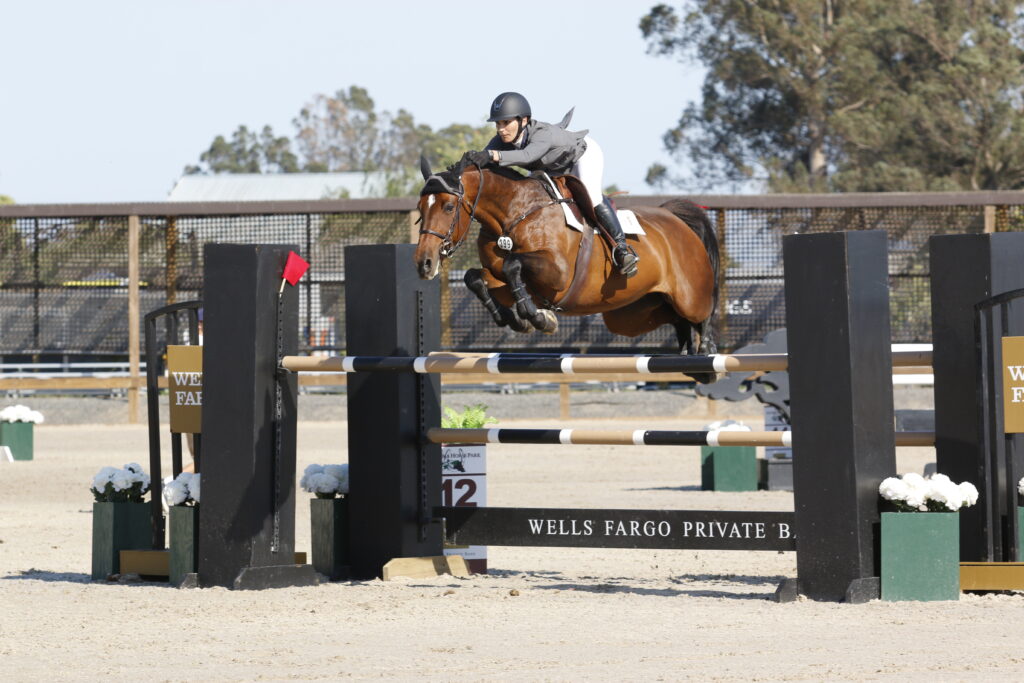
Dr. Puchalski splits her time throughout the year between her homes in California and Florida. She is based in Wellington for about five months, and enjoys competing at the Winter Equestrian Festival, for which PBEC serves as the official veterinarians.
Although her horse is currently injured, Dr. Puchalski normally rides every day and enjoys the flexibility of her job that supports her riding schedule.
“One of the best parts of what I do is the flexible schedule,” she admitted. “I try to ride every day and fit everything else around it. I can really do my job from anywhere. It can be completely web-based, which I love.”
“First thing in the morning, I check into the clinic and check on the imaging cases for the day,” Dr. Puchalski detailed. “I usually read some MRI and Nuclear Scintigraphy cases and then go ride mid-morning. Then I come back and read cases for my other clients. PBEC is a big chunk of my work, but a lot of my cases also come from global clients; I have clients all over the world.”
From a Small Town to Big Dreams
Dr. Puchalski grew up on a small-town acreage in British Columbia and started riding at a very young age. She got her first pony when she was four years old and continued riding at a three-day eventing barn next door to her home. Early on, Dr. Puchalski knew that she wanted to be a veterinarian. Dr. Puchalski graduated with a BS in Biology from Simon Fraser University in British Columbia, and completed her Doctorate of Veterinary Medicine from the University of Saskatchewan in Saskatoon. She interned in Field Service and Sports Medicine at New Bolton Center at the University of Pennsylvania, and completed her residency in Radiology at UC Davis in 2005.
During her internship at the New Bolton Center, Dr. Puchalski decided to pursue a career as a Radiologist thanks in part to one of her valued mentors, Virginia Reef, at the University of Pennsylvania.
“Dr. Reef was a huge influence on my career direction at that stage,” Dr. Puchalski noted. “Ginny was an influence in me becoming a radiologist, and then as a radiologist, I was mentored by Tim O’Brien at UC Davis – he is a founding father of equine radiology.”
Continuing to Have an Influence
Prior to joining PBEC in 2013, Dr. Puchalski spent eight years on the faculty of UC Davis providing research instruction and clinical service. Dr. Puchalski has published many scientific articles in diagnostic imaging and equine injuries which was a huge component of her early career.
“Once you have published research, the spinoff is then to publish in textbooks and other literature, so I have done a number of chapters for major lameness and diagnostic imaging textbooks as well,” Dr. Puchalski explained. “I have published more than 50 scientific articles and performed over 100 presentations all over the world on lameness diagnosis and diagnostic imaging in sport horses. I am currently trying really hard to still publish study results and be involved with universities, but also have a very busy private practice caseload.”
Outside of work and horses, Dr. Puchalski enjoys the challenges of Crossfit. In addition to her time spent in Florida and California, she also spends several weeks every summer working and showing at Spruce Meadows in Calgary, Alberta, Canada.
Dr. Puchalski is an integral part of the team at Palm Beach Equine Clinic and will continue to serve PBEC’s clientele as diagnostic imaging advances into the future.
Palm Beach Equine Clinic provides experience, knowledge, availability, and the very best care for the horses of Wellington. Have them be a part of your team! To find out more, please visit www.EquineClinic.com or call 561-793-1599. “Like” them on Facebook to follow along on what happens in Wellington and more, and get news from their Twitter!
More About Dr. Sarah Puchalski
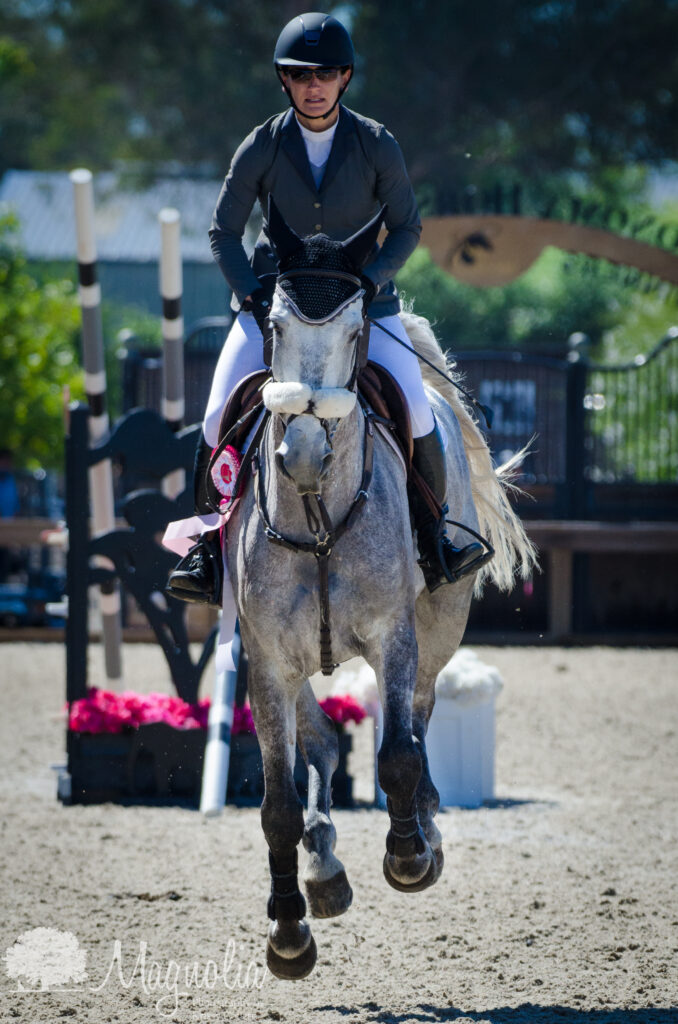
Dr. Puchalski is a Diplomate of the American College of Veterinary Radiology whose specialty includes the interpretation of radiographs in addition to other diagnostic imaging techniques.
Dr. Puchalski is from Davis, CA, where she was an associate professor at the University of California in their Department of Surgical and Radiological Sciences. In 1995, she received her BSc in biology from Simon Fraser University in British Columbia, and in 1999 earned her Doctor of Veterinary Medicine from the University of Saskatchewan in Saskatoon, where she received the ACVS Outstanding Large Animal Surgery Student award that same year. Dr. Puchalski interned in Field Service and Sports Medicine at New Bolton Center at the University of Pennsylvania in 2001, and completed her residency in radiology at UC Davis in 2005.
Dr. Puchalski has devoted her career to teaching and improving equine health through the development and refinement of diagnostic techniques. In 2011 she contributed to two books on the topic of equine lameness. Her recent contributions include chapters in Diagnosis and Management of Lameness in the Horse edited by Ross and Dyson, as well as in Veterinary Computed Tomography and the Clinical Veterinary Advisor: The Horse, Equine Colic and Veterinary Clinics of North America. She also has contributed close to 50 scientific articles concerning the diagnosis of equine lameness to many periodic journals, including Veterinary Radiology & Ultrasound: the official journal of the American College of Veterinary Radiology and the International Veterinary Radiology Association; Veterinary Pathology; Equine Veterinary Journal; the American Journal of Veterinary Research; Equine Veterinary Education; Journal of the American Veterinary Medical Association; and Journal of Veterinary Internal Medicine.
Learn More About Surgeon Dr. Weston Davis

Dr. Weston Davis is a second-generation veterinarian from South Florida. His father is recently retired from veterinary medicine and his family raises beef cattle in Clewiston, FL. Dr. Davis graduated Magna Cum Laude from the University of Florida College Of Veterinary Medicine in 2008. He was awarded the Barbaro Gulfstream Scholarship (a veterinary scholarship named in honor of the amazing Barbaro), the Calder Race Course Scholarship, and the Student Award for Excellence in Large Animal Surgery.
After graduation, Dr. Davis completed his internship in Sports Medicine and Surgery at Oakridge Equine Hospital, followed by a residency in Equine Surgery at North Carolina State University. In 2012, he became board certified in Large Animal Surgery by the American College of Veterinary Surgeons. Before joining Palm Beach Equine Clinic, Dr. Davis spent 1.5 years as a staff surgeon at a private practice referral center in Texas. He has authored and co-authored publications on topics ranging from colic surgery to advanced imaging and novel surgical techniques. In 2014, he was awarded the BEVA Trust Peter Rossdale EVJ Open Award for a research publication on return to performance following colic surgery. He has spoken at several national and state meetings.
Dr. Davis is an avid sportsman himself, and his hobbies include fishing, hunting, waterskiing and almost any outdoor activity.
Tell us more about your background with horses growing up?
I started riding horses when I was so young I can’t remember. We had some amazingly kind horses that packed us around and took care of us (and a couple that didn’t). Riding as a child was mostly business – for the purpose of working cows. Somewhere around 14, I began team roping for pleasure and competition. I roped throughout college, but lost the required free time when I began practicing veterinary medicine. I’ll probably get after it again when I am retired and much too old to be doing that sort of thing!
When and why did you decide to become a veterinarian and why did you choose to pursue a career in surgery?
I decided to be a veterinarian very early in life.I had a father and uncle who were both successful and happy veterinarians whom I looked up to, so it was a logical path to follow. The surgical interests started as a kid watching my father do surgery, something I always thought was amazing and he was very skilled at. My decision to pursue the surgical avenue came during vet school when I realized that I wanted to specialize and knew surgery was my passion.
What is the best advice that your father has given you as a veterinarian?
My father is a man of few words. However, by watching him, I learned one of the biggest life lessons, which is to be calm and content with your career and your life.
What do you enjoy about speaking publicly and sharing your knowledge?
I think mentoring, sharing knowledge and teaching the hands-on skills to the next generation of veterinarians is one of the most fun and rewarding parts of my job. Observing a student as content and excelling in their career with a skill set that you contributed to, even in a small way, is a beautiful thing.
What is the most interesting or rewarding surgical case you have worked on?
Although minimally invasive arthroscopic type surgeries are my favorite to perform, I think colic surgeries are one of the most rewarding. They are often difficult surgeries and inevitably in the middle of the night, but you take a horse who would most certainly die without you, and save a life. Helping a horse who was in excruciating pain or has a life-threatening devitalized piece of intestine recover back to feeling comfortable and eating in their stall the next day is about as good as it gets.
What are your goals for your career now?
My goal is to expand the surgical and outpatient sports medicine referrals at PBEC. I am currently the coordinator for the intern and resident program. I plan to expand and improve on the quality of these mentoring programs within the industry. I am also working on the development and description of some novel minimally invasive surgical techniques. I aim to continue authoring 1-2 publications annually in the refereed equine literature.
When not roping, fishing, hunting or water-skiing, what other things do you do with your free time?
Most of my non-equine time lately has been devoted to some real-estate interests and house renovations. I am also a big reader.
The Growth of Palm Beach Equine Clinic
Jump Media interviewed Dr. Scott Swerdlin, DVM, MRCVS, and President of Palm Beach Equine Clinic to learn more about the Clinic’s simple beginnings and evolution into one of the largest veterinary practices in the United States.
What was the genesis of Palm Beach Equine Clinic? Why was it started, how big was it, how many vets worked in the beginning, what kinds of services were offered?
In 1979, Dr. Paul Wollenman came to Wellington, Florida to principally care for Lion Country Safari’s exotic animals. Dr. Wollenman started to build the physical structure of Palm Beach Equine Clinic in 1981. I joined PBEC in 1983 and it was the beginning of a remarkable partnership. Mine and Dr. Wollenman’s strengths complemented each other well. I had recently resigned my Captaincy in the United States Airforce Veterinary Core and was excited to come back to where I grew up.
In 1991, we enticed Dr. Robert W. Brusie to join us from his successful surgical practice in Atlanta, GA. Dr. Brusie joined us to build the modern foundation of Palm Beach Equine Clinic. I was extremely fortunate to have these two extraordinary veterinarians as mentors. Shortly after Dr. Brusie joined us, we had an exceptional surgical service routinely treating colic cases and performing orthopedic surgeries. The final piece of the puzzle was to bring on a remarkable veterinarian from the next generation. We found that missing piece in 2003, when Dr. Richard Wheeler joined the team.
When did PBEC evolve into its current state?
The evolution of Palm Beach Equine Clinic has been constant and ever increasing. The growth of Palm Beach Equine Clinic mirrored the growth of the show horse industry through 2005. Ten years ago, we witnessed an exponential growth in the dressage discipline. From our simple beginnings, we now have twenty-eight veterinarians. What I take great pride in is my job is to keep twenty-eight veterinarians happy and explore additional opportunities to continue to grow and improve. Almost 30 years ago, Palm Beach Equine Clinic bought the first ultrasound for equine practice in South Florida. Twenty-five years ago, Palm Beach Equine Clinic installed the first gamma-ray camera to perform bone scans (Nuclear Scintigraphy). Twenty years ago, we developed Computed Radiography (CR) for horses. Currently, Palm Beach Equine Clinic has the most advanced state-of-the-art surgical and diagnostic imaging equipment for the horse. Onsite, we have a Hallmarq standing MRI unit, MiE gamma ray camera, Digital Radiography, Video Endoscopy, and a bevy of additional diagnostic equipment. Palm Beach Equine Clinic is dedicated to providing exceptional veterinary service for the horse.
What are the most important parts of PBEC?
No question, it is our staff. Palm Beach Equine Clinic is dedicated to providing a culture of respect and excellent communication. Palm Beach Equine Clinic encourages every technician and employee to embrace their position not just as a job, but as a career. Many of our technicians and administration staff have been a part of Palm Beach Equine Clinic for over 10 years. I want every person who works here to feel as though they are part of a team. Unequivocally, the most important part of Palm Beach Equine Clinic is its family of employees.
How was PBEC changed in the past several years?
Over ten years ago, we were fortunate to have Dr. Bill Patterson, Dr. Gary Priest, Dr. Bob Smith, Dr. Hilary Clayton, Dr. Jordan Lewis, and Dr. Kathleen Timmins join Palm Beach Equine Clinic to contribute to the culture and the success that we currently enjoy. In the past several years, we have added multiple, additional extraordinarily talented veterinarians. Dr. Jorge Gomez, Dr. Weston Davis, Dr. Sarah Puchalski, Dr. Bryan Dubynsky, Dr. Janet Greenfield, Dr. Tyler Davis, Dr. Daren Tamplin, Dr. Natalia Novoa, Dr. Ryan Lukens, Dr. Selina Passante-Watt, and Dr. Sarah Allendorf have all recently joined the Palm Beach Equine Clinic team within the past five years. We have updated all of our technical capabilities and we have added an Annex Office on the WEF show grounds in Wellington, Florida.
What do you see PBEC adding in 2016?
For Palm Beach Equine Clinic, 2016 will be an exciting year for expansion of our physical facility. Palm Beach Equine Clinic plans on adding an additional 4,000 square feet of air conditioned examination areas, an additional surgical suite and recovery stall, as well as climate controlled isolation quarantine stalls. Under the guidance of Dr. Sarah Puchalski, our in house Board Certified Radiologist, Palm Beach Equine Clinic hopes to add the first equine Computed Tomography service (CT scans) to our diagnostic imaging expertise.
Is there anything else you would like to add?
Palm Beach Equine Clinic owes all of its success to the horsemen and horsewomen of South Florida. We thank you for trusting our Doctors and staff with your precious family member, your horse. PBEC Veterinarians volunteer their time for many projects in our community. It is our pleasure to support Vinceremos Therapeutic Riding Center, Charity Challenge, One World, and many other local charities. Our doctors also contribute their time to providing veterinary care for the Winter Equestrian Festival and Global Dressage Festival as the Official Veterinarians. Palm Beach Equine Clinic is dedicated to providing exceptional care to your horse and is committed to improving our relationship with our clients, as well as our community.